Puppy Weight Calculator
The surest guide to how big a puppy will get is its breed. Pick yours below to see the typical adult weight range — then open the breed page for the full picture.
Predicted adult weight
50–90 lb
a typical adult German Shepherd — large.
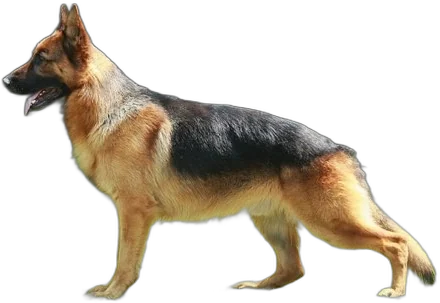

Every breed (181)
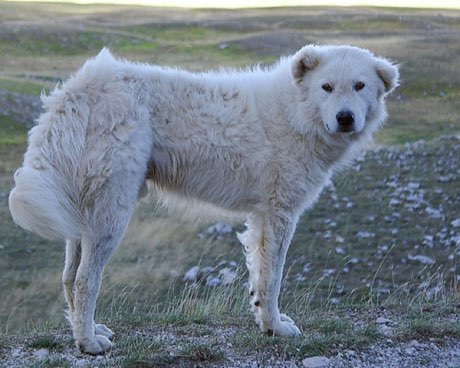 LargeAbruzzo-Maremma Sheepdog77–115 lb
 SmallAffenpinscher7–10 lb
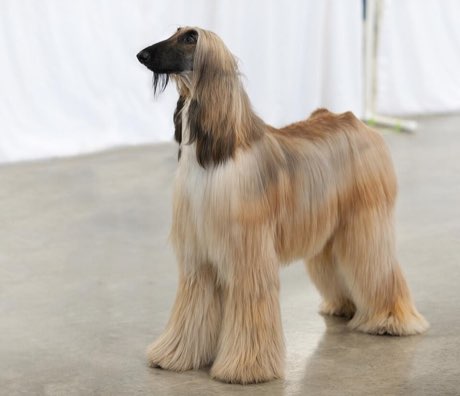 MediumAfghan Hound50–60 lb
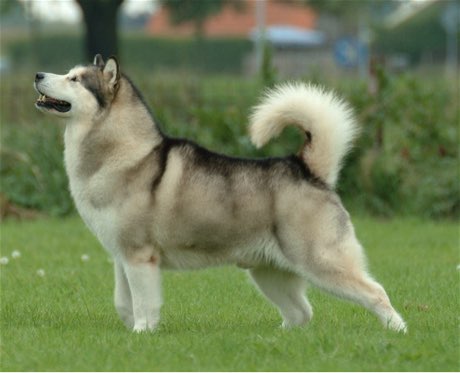 LargeAlaskan Malamute75–85 lb
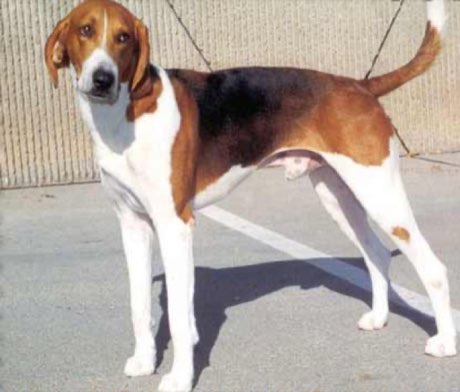 LargeAmerican foxhound60–70 lb
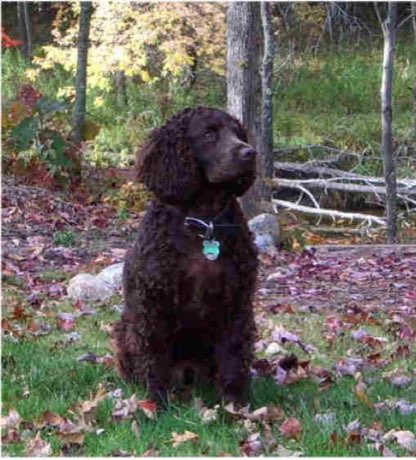 MediumAmerican Water Spaniel25–45 lb
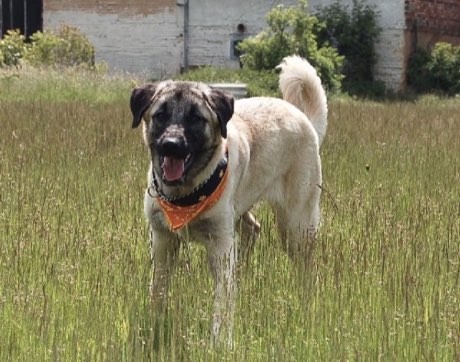 GiantAnatolian Shepherd88–143 lb
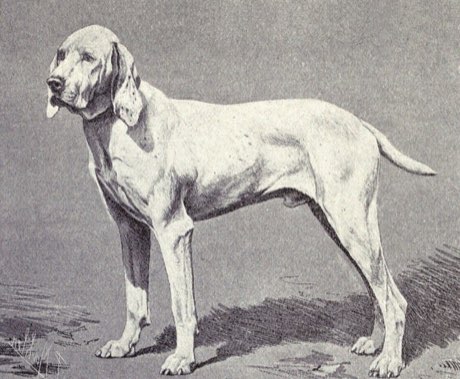 LargeAriege Pointer66 lb
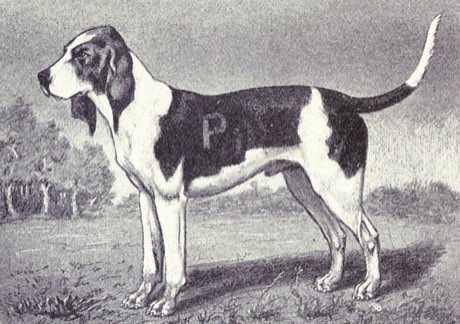 LargeArtois Hound62–66 lb
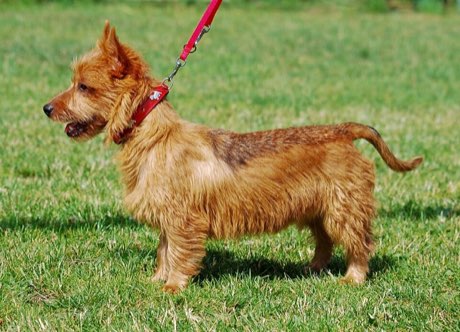 SmallAustralian Terrier15–20 lb
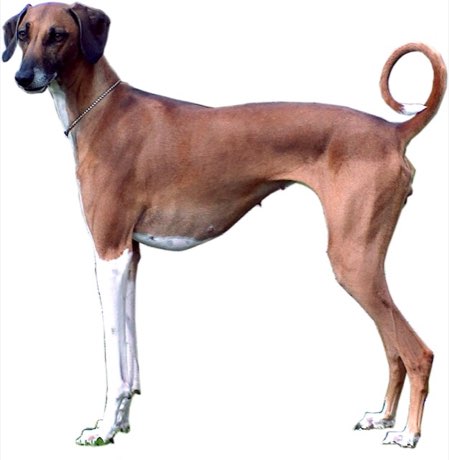 MediumAzawakh33–55 lb
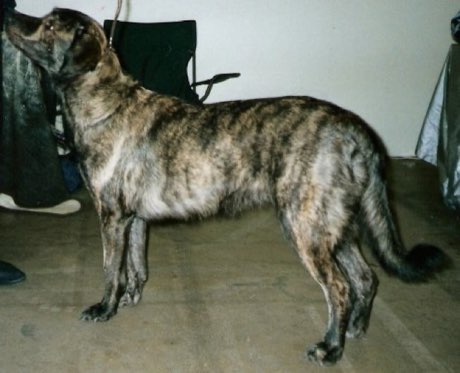 LargeAzores Cattle Dog44–77 lb
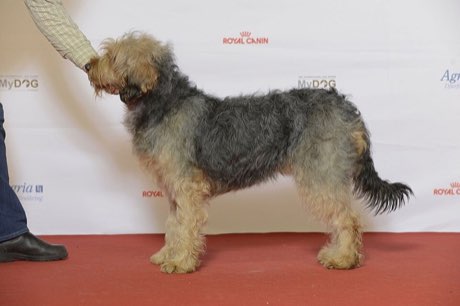 MediumBarak hound35–53 lb
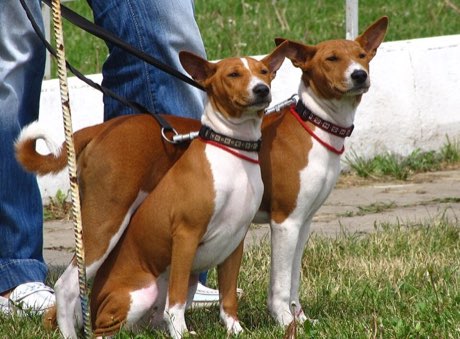 MediumBasenji22–24 lb
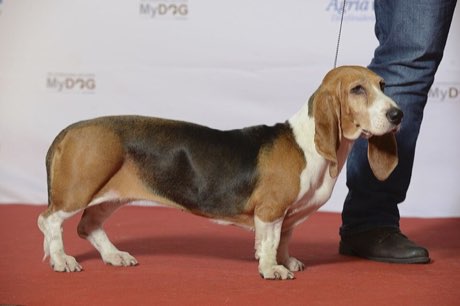 MediumBasset Artésien Normand33–44 lb
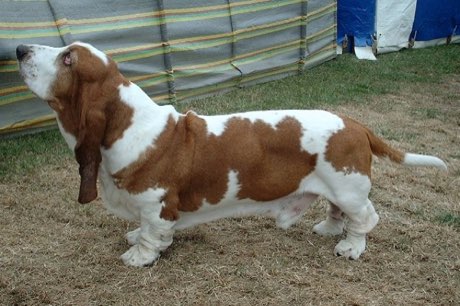 MediumBasset hound40–65 lb
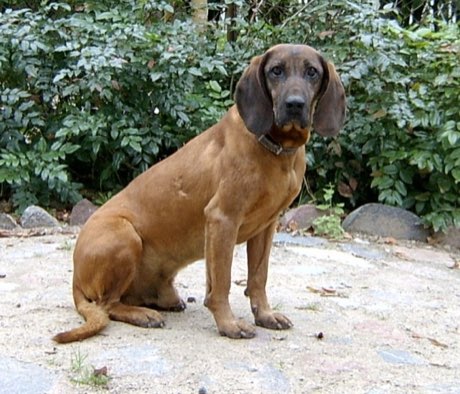 MediumBavarian Mountain Hound37–66 lb
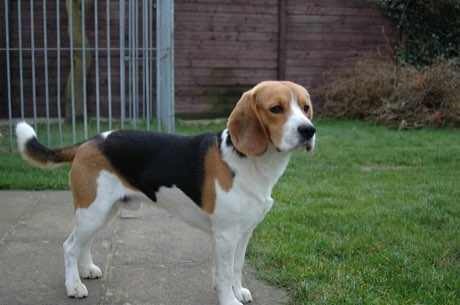 SmallBeagle20 lb
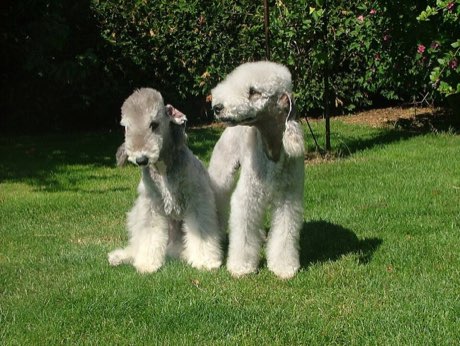 SmallBedlington Terrier17–23 lb
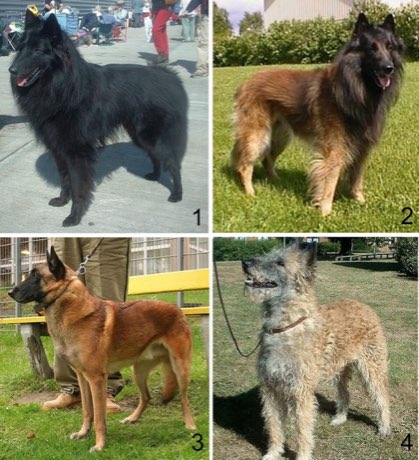 LargeBelgian Shepherd44–66 lb
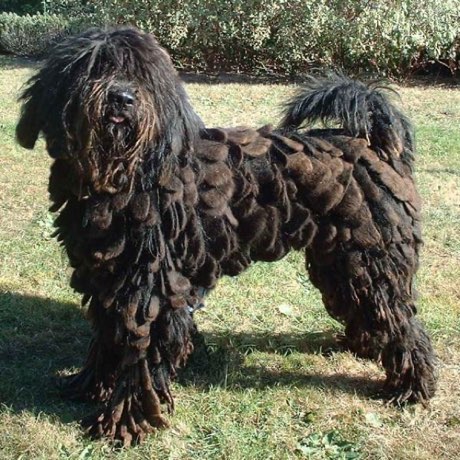 LargeBergamasco Shepherd57–84 lb
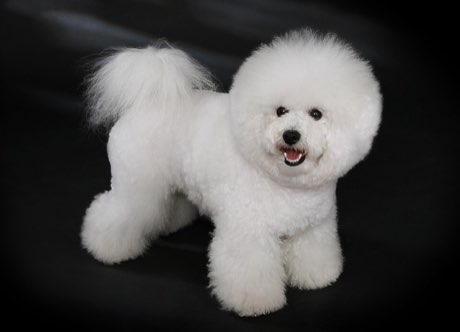 SmallBichon Frisé12–18 lb
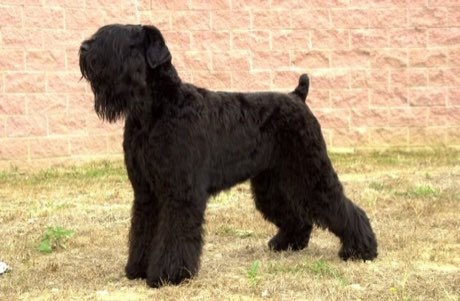 GiantBlack Russian Terrier80–130 lb
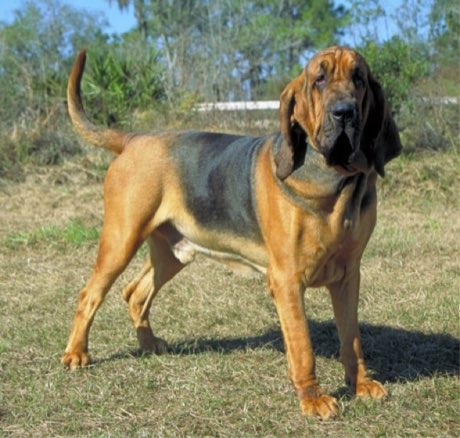 LargeBloodhound80–110 lb
 SmallBolognese6–10 lb
 SmallBorder Terrier11.5–15.5 lb
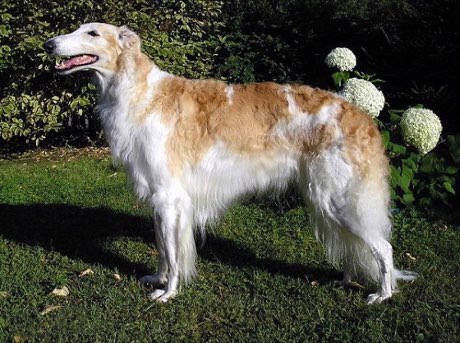 LargeBorzoi60–105 lb
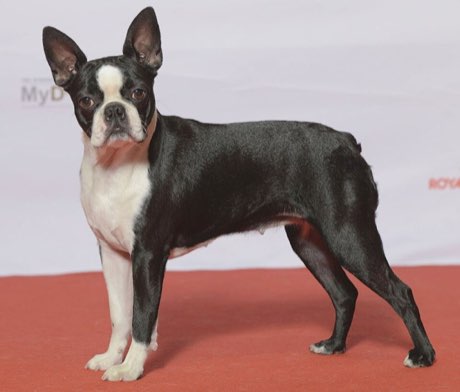 SmallBoston Terrier12–25 lb
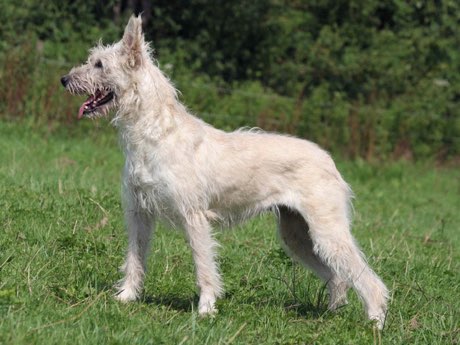 LargeBouvier des Ardennes49–77 lb
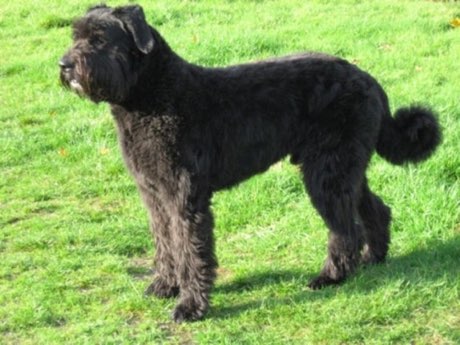 LargeBouvier des Flandres70–110 lb
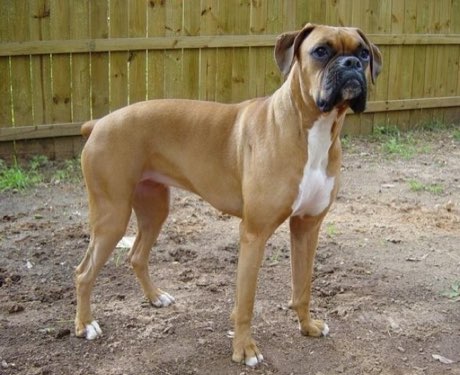 MediumBoxer15–80 lb
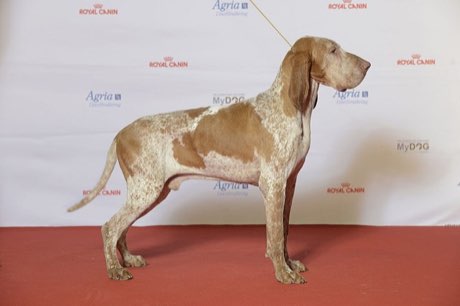 LargeBracco Italiano55–90 lb
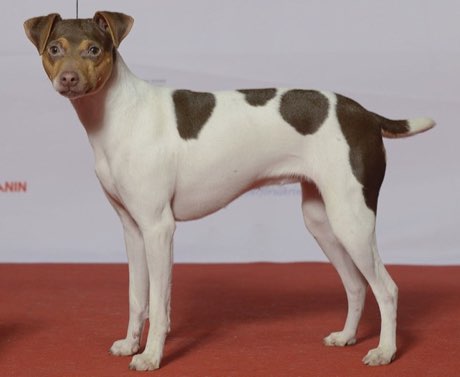 SmallBrazilian Terrier22 lb
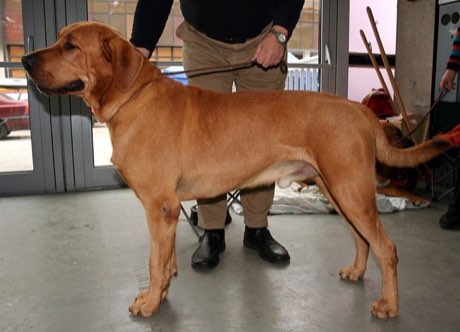 GiantBroholmer90–150 lb
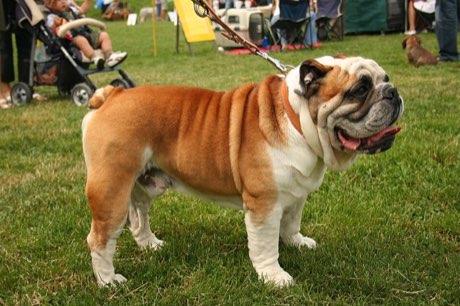 MediumBulldog40–50 lb
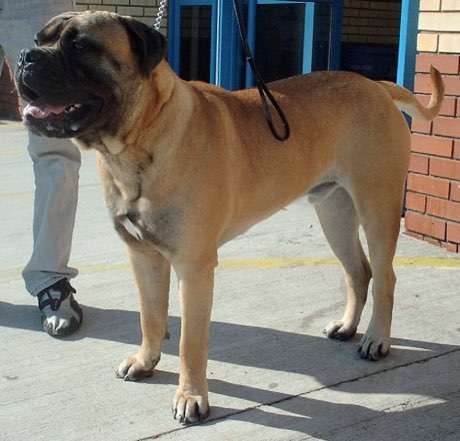 GiantBullmastiff100–130 lb
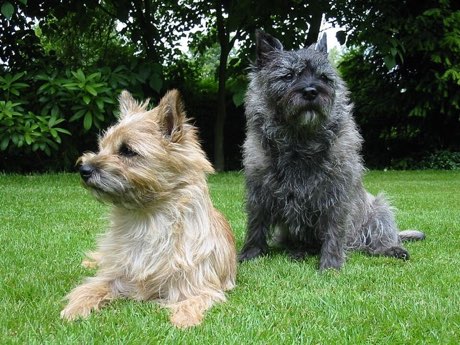 SmallCairn Terrier13–14 lb
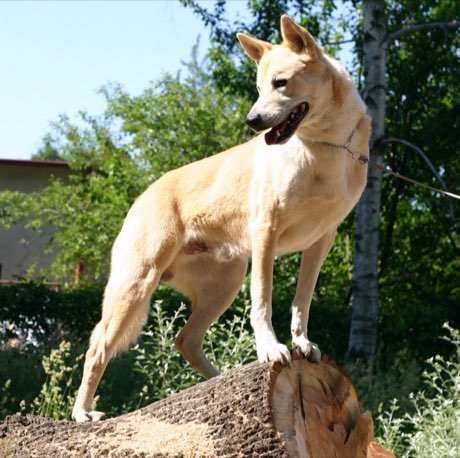 MediumCanaan Dog35–55 lb
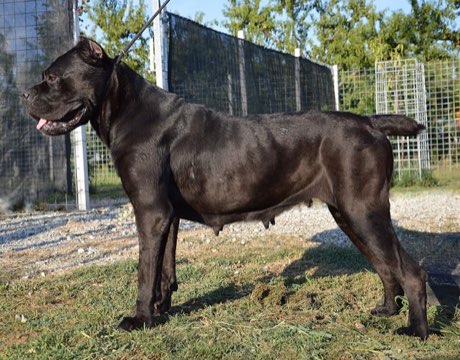 GiantCane Corso88–110 lb
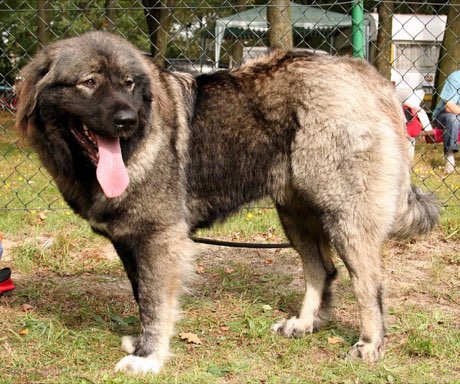 GiantCaucasian Shepherd Dog99–170 lb
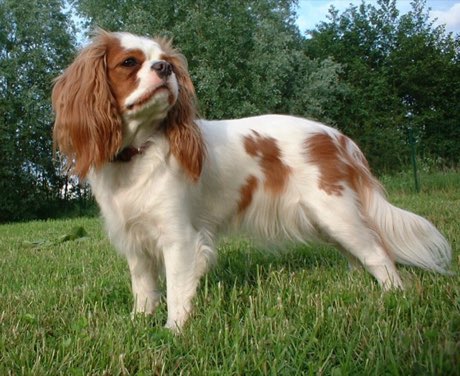 SmallCavalier King Charles Spaniel13–18 lb
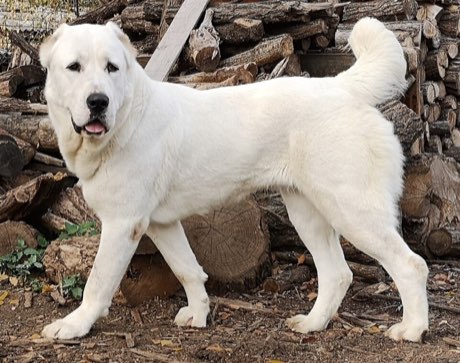 GiantCentral Asian Shepherd Dog88–110 lb
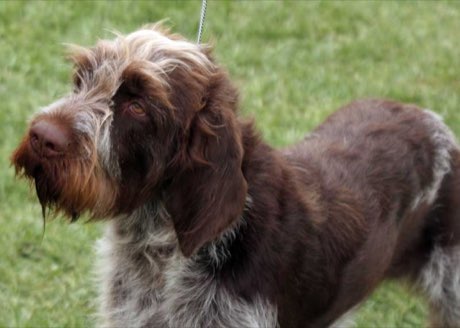 LargeCesky Fousek49–75 lb
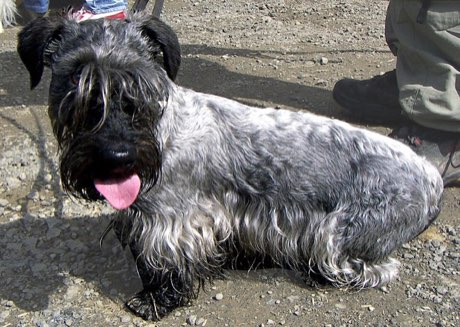 SmallCesky Terrier14–24 lb
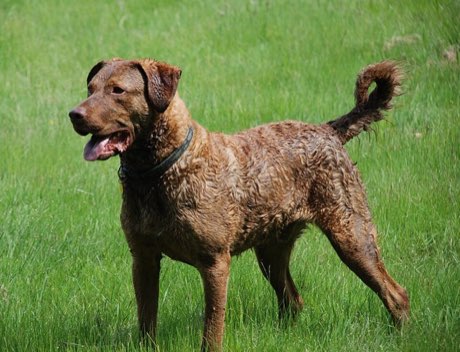 LargeChesapeake Bay Retriever55–80 lb
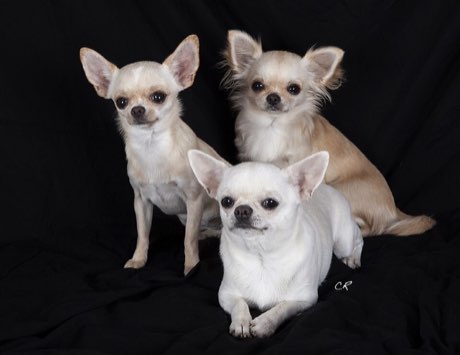 SmallChihuahua2–7 lb
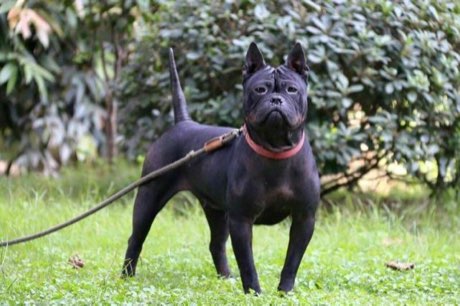 MediumChinese Chongqing Dog50 lb
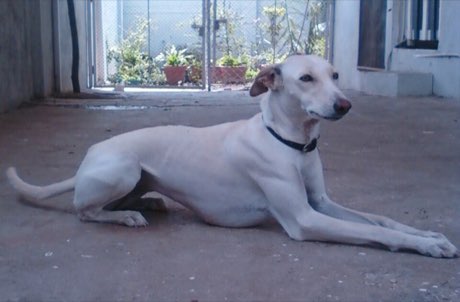 MediumChippiparai39 lb
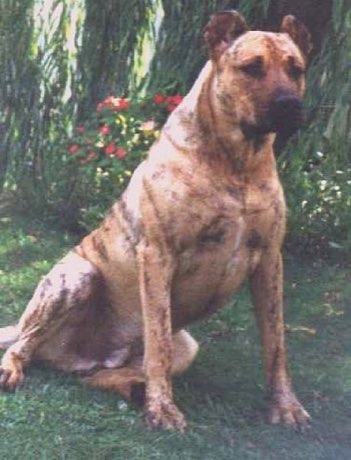 LargeCimarrón Uruguayo73–99 lb
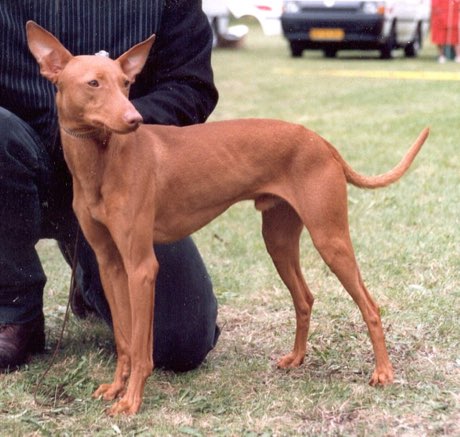 MediumCirneco dell'Etna18–29 lb
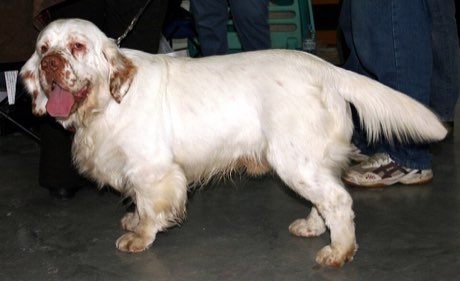 LargeClumber Spaniel55–85 lb
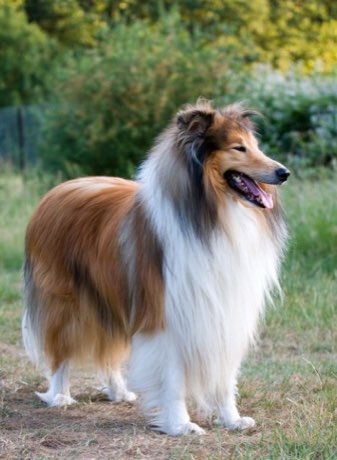 LargeCollie50–75 lb
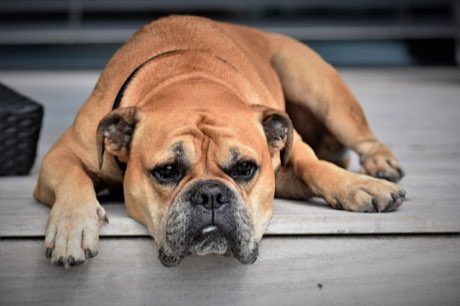 LargeContinental bulldog55–66 lb
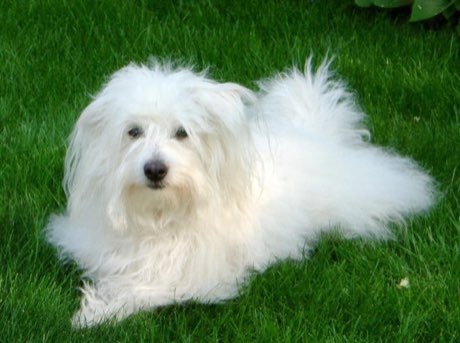 SmallCoton de Tulear8–15 lb
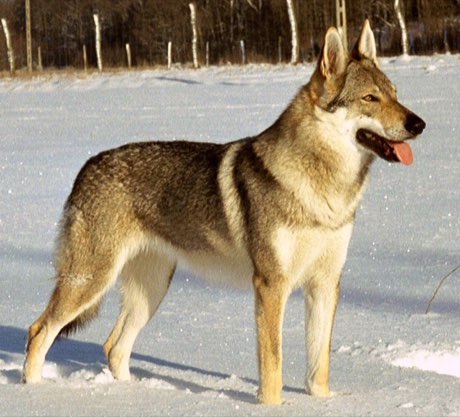 MediumCzechoslovakian Wolfdog44–57 lb
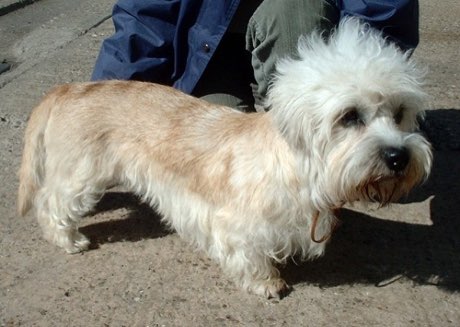 SmallDandie Dinmont Terrier18–24 lb
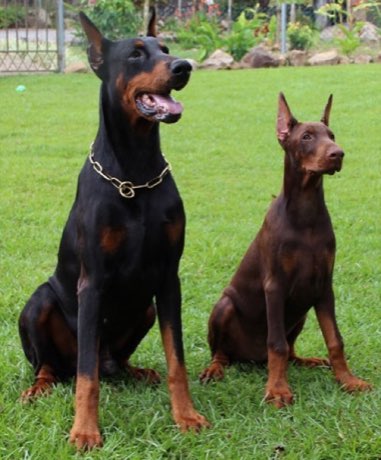 LargeDobermann71–99 lb
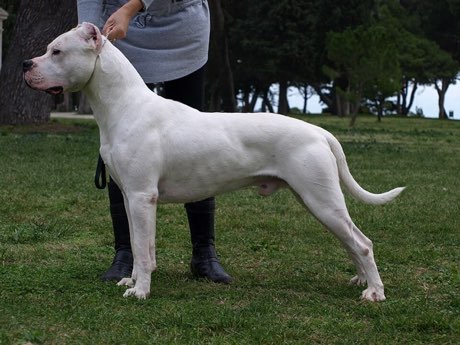 LargeDogo Argentino80–100 lb
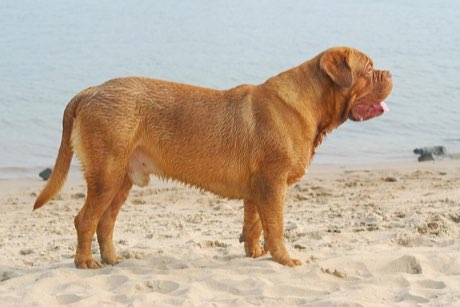 GiantDogue de Bordeaux99–110 lb
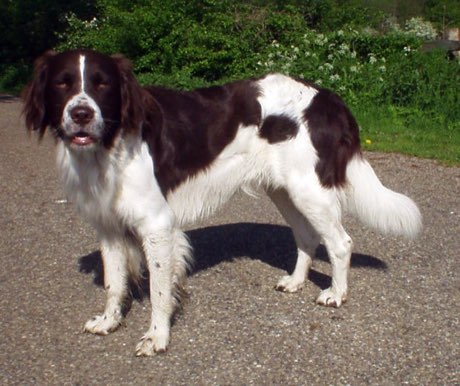 LargeDrentse Patrijshond55–77 lb
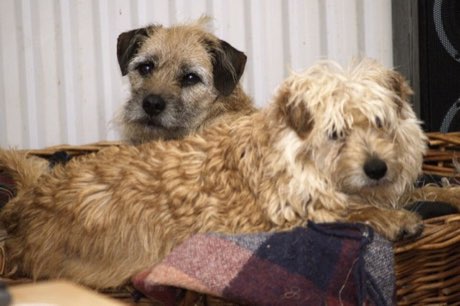 SmallDutch Smoushond15–24 lb
 MediumEnglish Cocker Spaniel26–34 lb
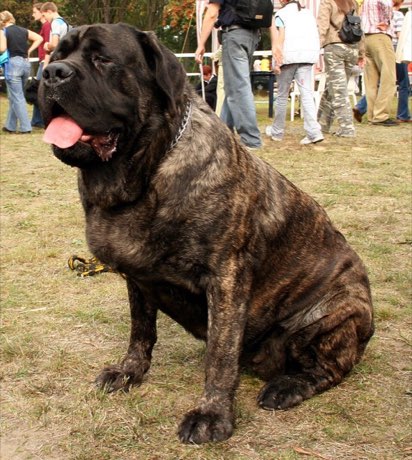 GiantEnglish Mastiff120–230 lb
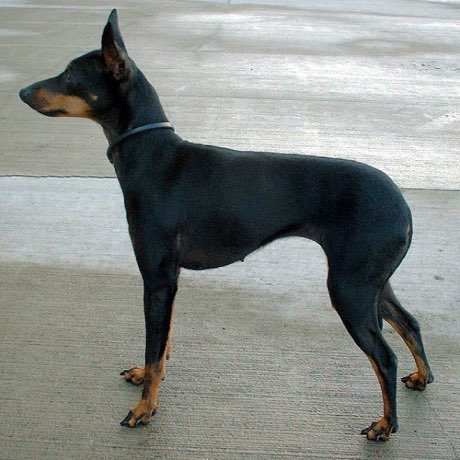 SmallEnglish Toy Terrier6–8 lb
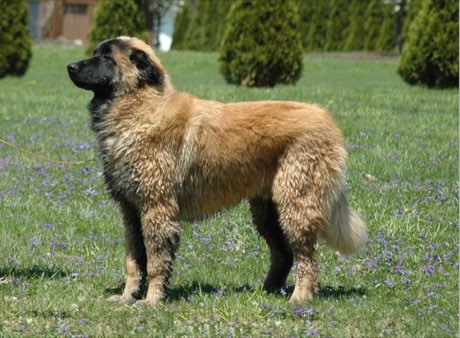 GiantEstrela Mountain Dog77–132 lb
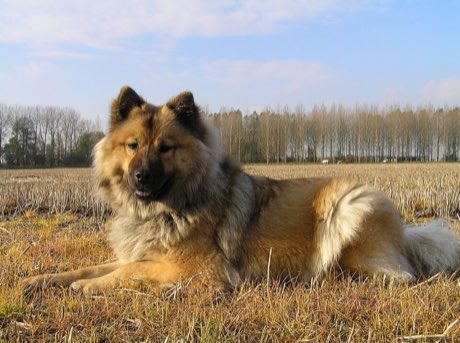 MediumEurasier40–70 lb
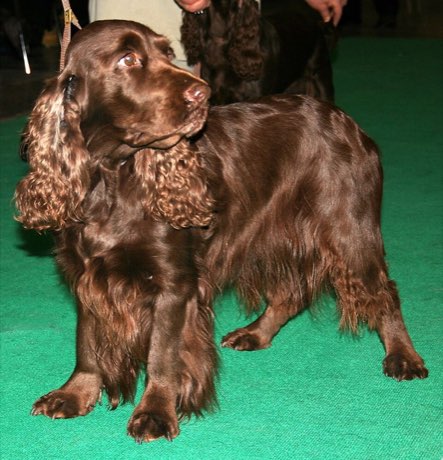 MediumField Spaniel35–50 lb
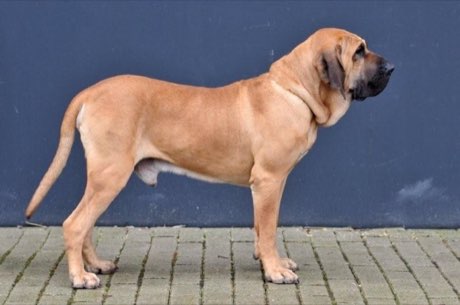 LargeFila Brasileiro88 lb
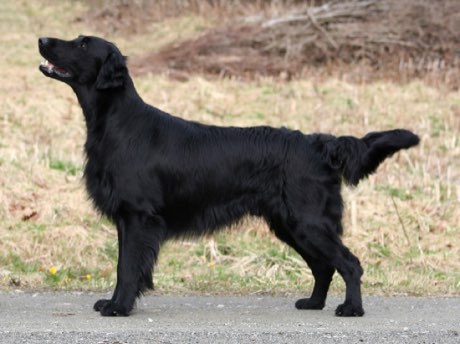 LargeFlat-Coated Retriever60–70 lb
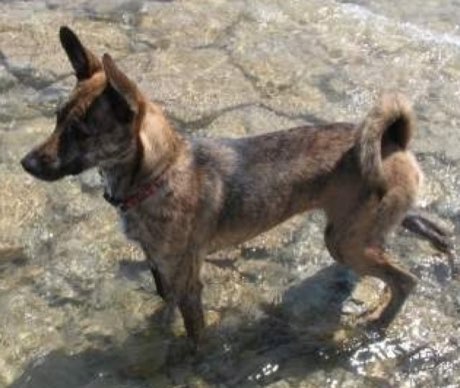 MediumFormosan Mountain Dog26–40 lb
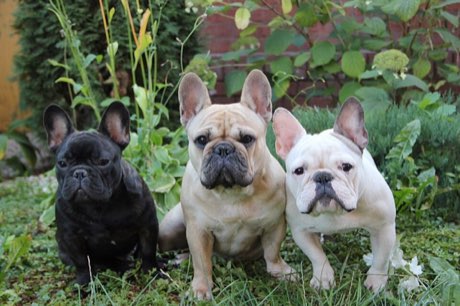 MediumFrench Bulldog17–32 lb
- SmallFrenchton13 lb
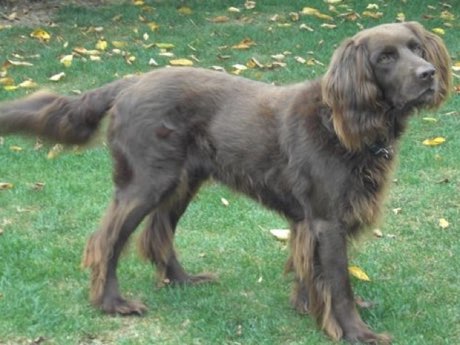 LargeGerman Longhaired Pointer55–80 lb
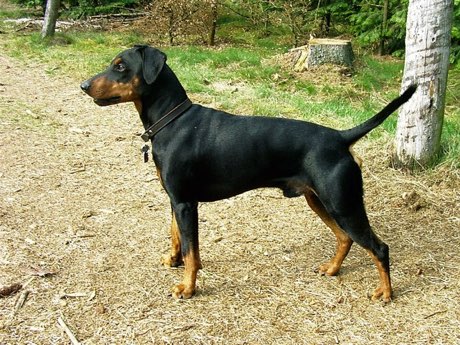 MediumGerman Pinscher25–45 lb
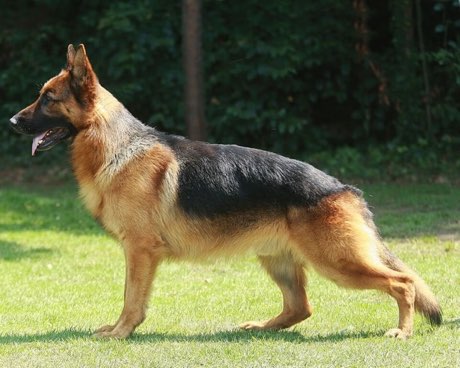 LargeGerman Shepherd50–90 lb
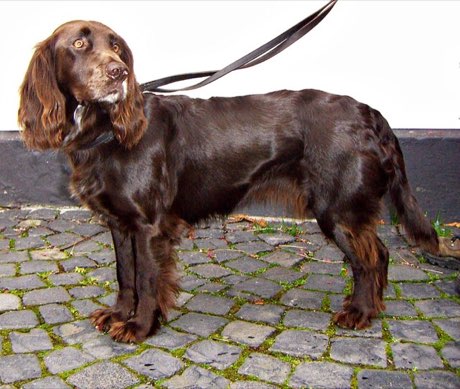 MediumGerman Spaniel40–55 lb
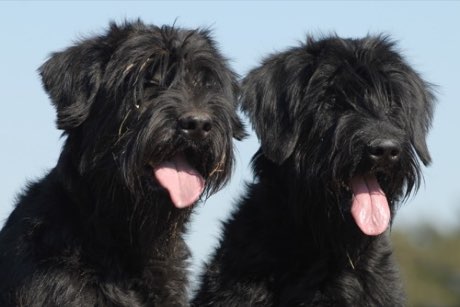 LargeGiant Schnauzer55–95 lb
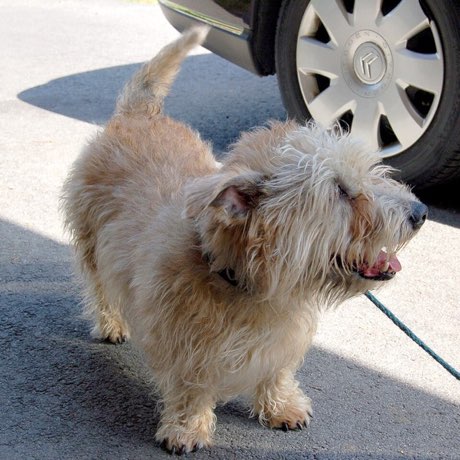 MediumGlen of Imaal Terrier32–40 lb
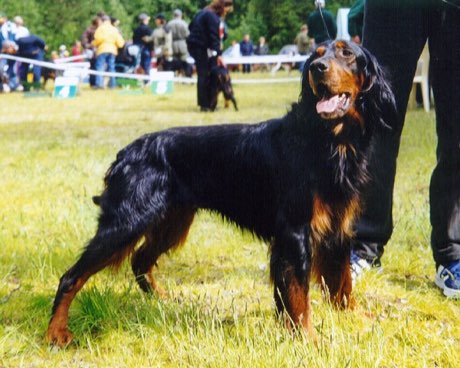 LargeGordon Setter45–80 lb
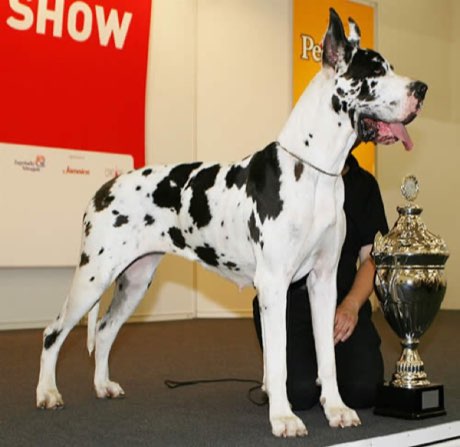 GiantGreat Dane110–175 lb
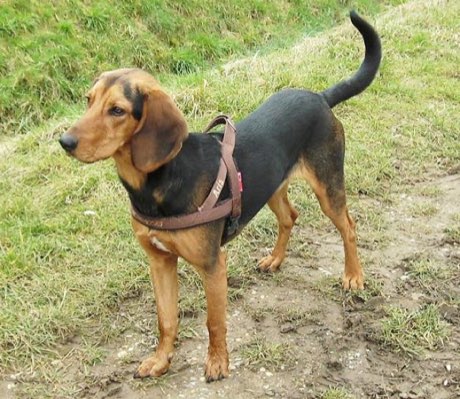 MediumGreek Harehound37–44 lb
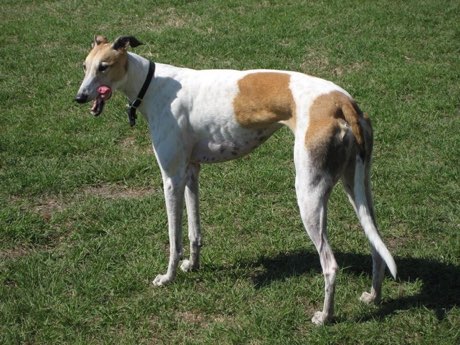 LargeGreyhound60–70 lb
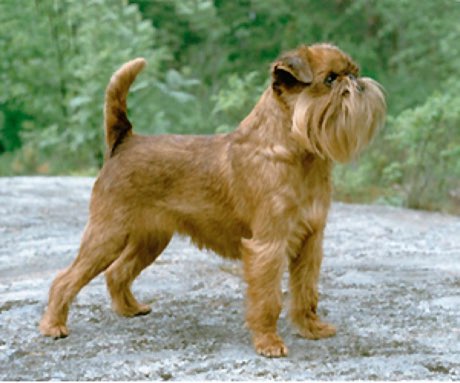 SmallGriffon Bruxellois8–13 lb
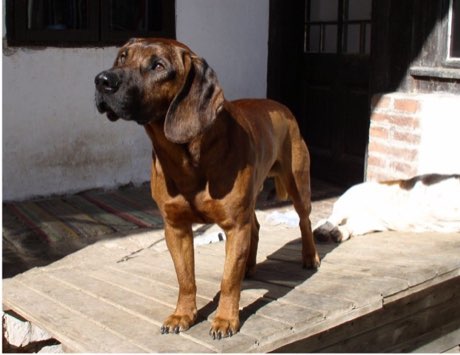 LargeHanover Hound55–88 lb
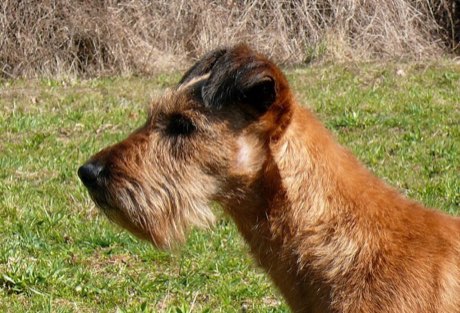 MediumIrish Terrier25–27 lb
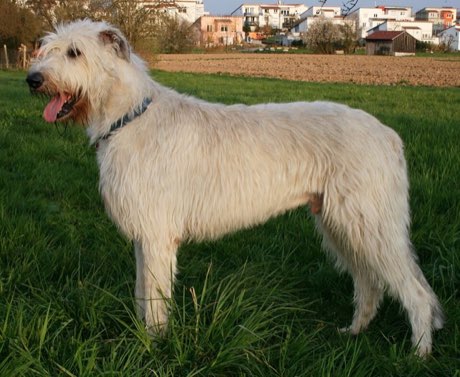 GiantIrish wolfhound105–120 lb
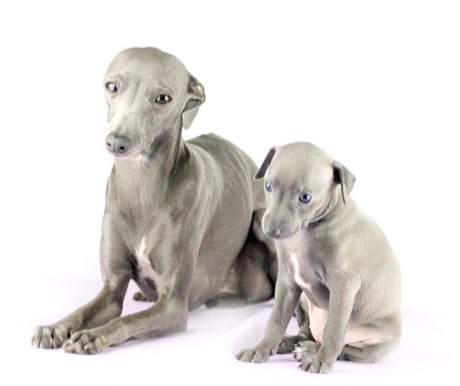 SmallItalian Greyhound7–14 lb
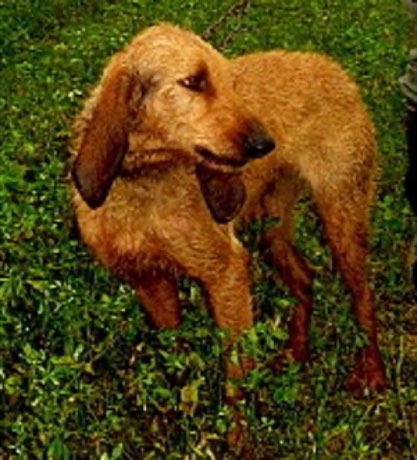 MediumItalian Rough-haired Segugio40–62 lb
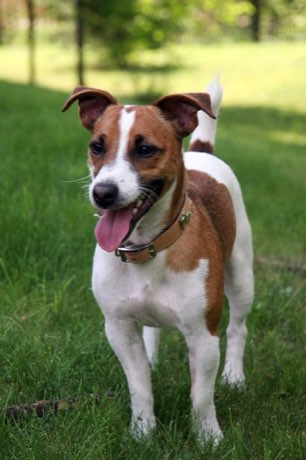 SmallJack Russell Terrier11–13 lb
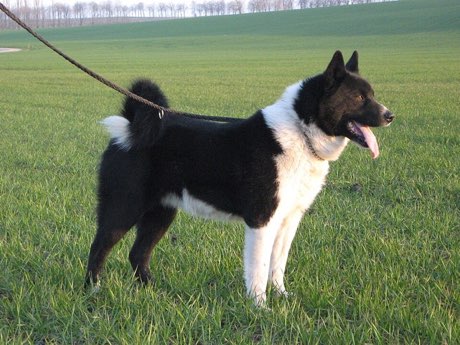 MediumKarelian Bear Dog44–49 lb
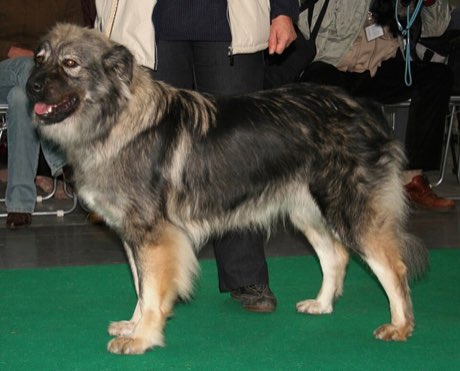 LargeKarst Shepherd55–93 lb
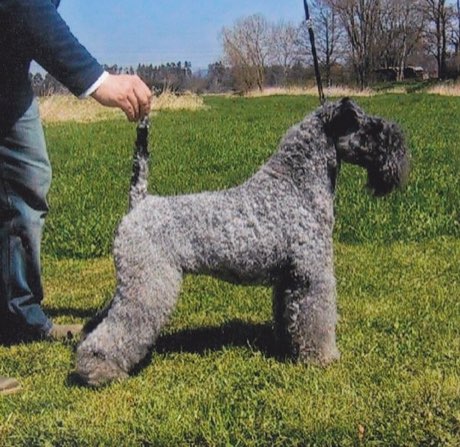 MediumKerry Blue Terrier33–40 lb
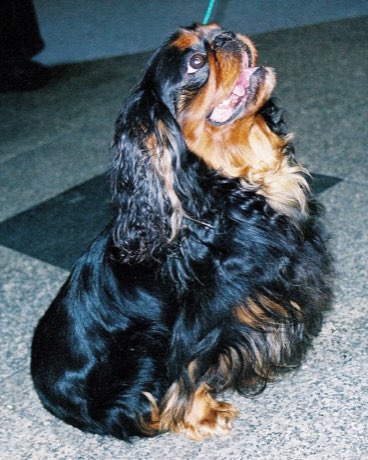 SmallKing Charles Spaniel8–14 lb
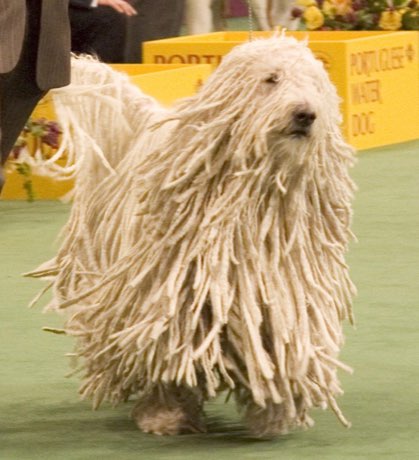 GiantKomondor88–132 lb
- MediumKorean Jindo Dog30–50 lb
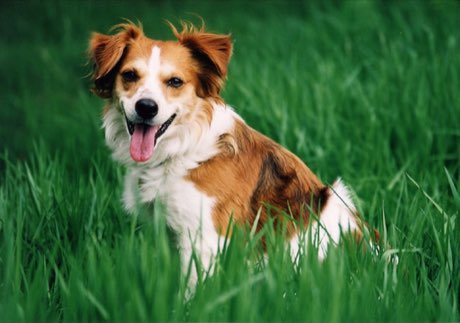 MediumKromfohrländer20–35 lb
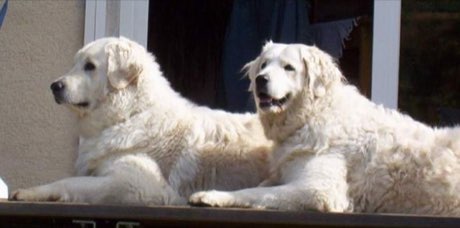 LargeKuvasz70–115 lb
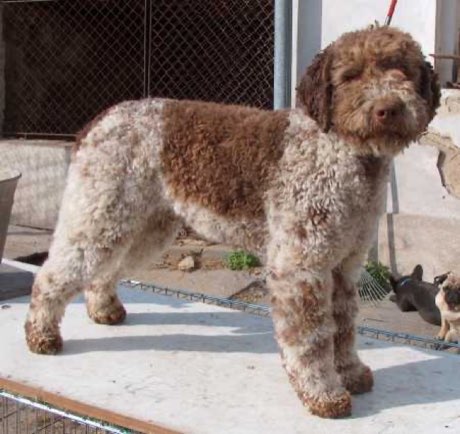 MediumLagotto Romagnolo24–35 lb
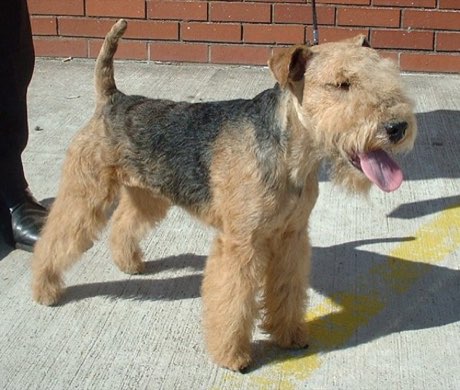 SmallLakeland Terrier17 lb
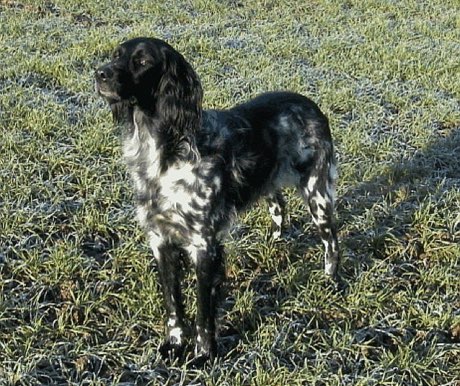 LargeLarge Münsterländer50–70 lb
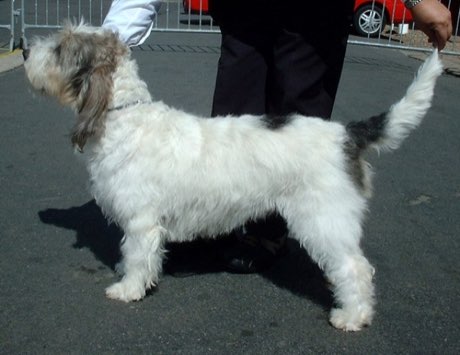 MediumLarge Vendeen Griffon Basset40–44 lb
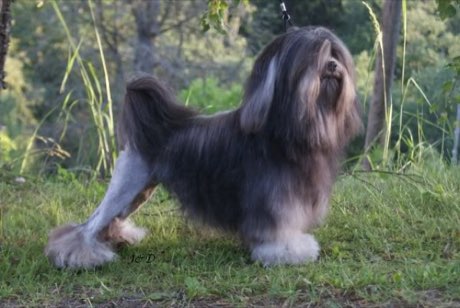 SmallLöwchen15 lb
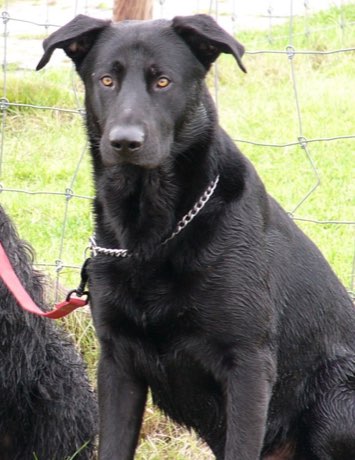 LargeMajorca Shepherd Dog88 lb
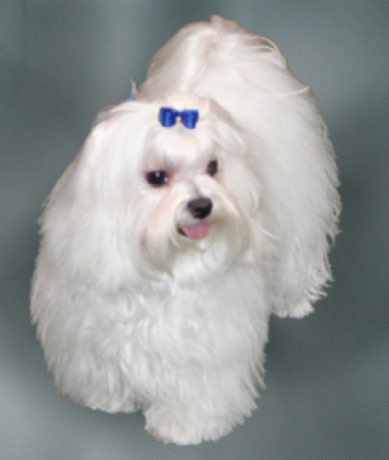 SmallMaltese7–9 lb
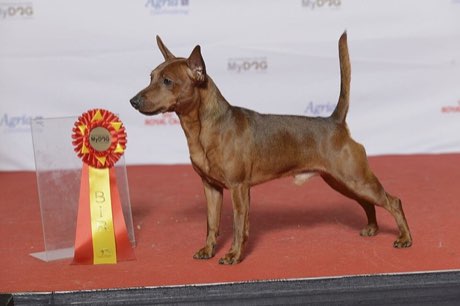 SmallMiniature Pinscher8–10 lb
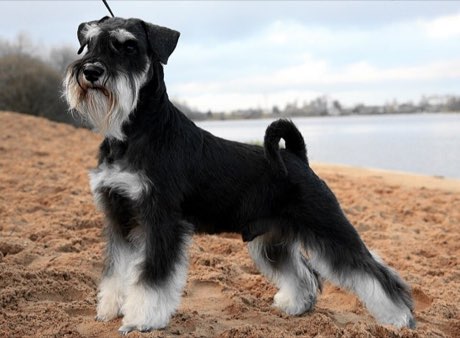 SmallMiniature Schnauzer11–20 lb
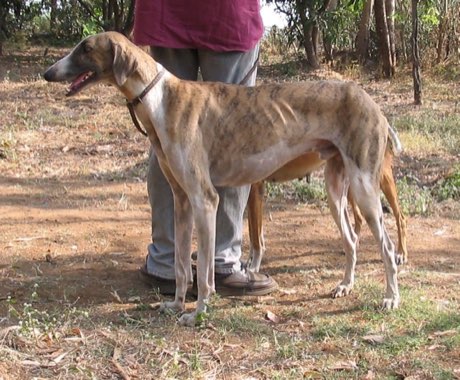 LargeMudhol Hound55 lb
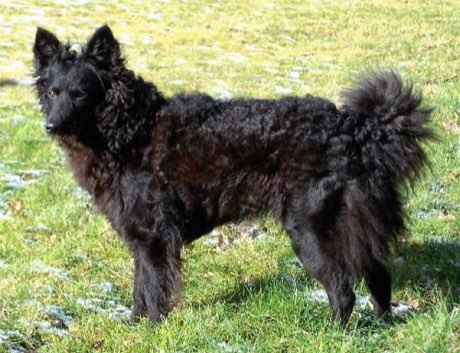 MediumMudi18–29 lb
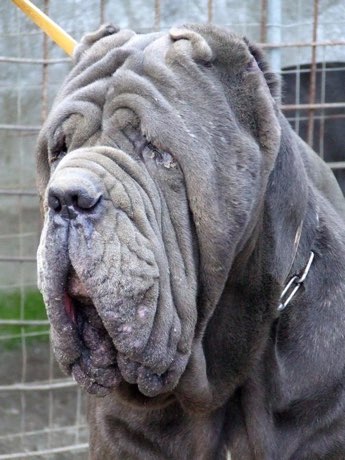 GiantNeapolitan Mastiff110–150 lb
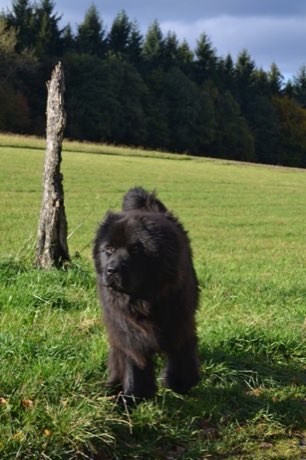 GiantNewfoundland dog119–150 lb
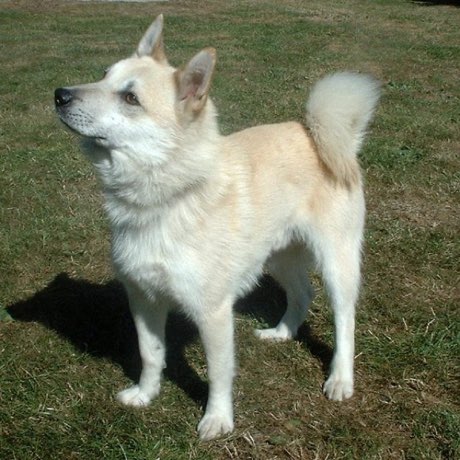 MediumNorwegian Buhund26–40 lb
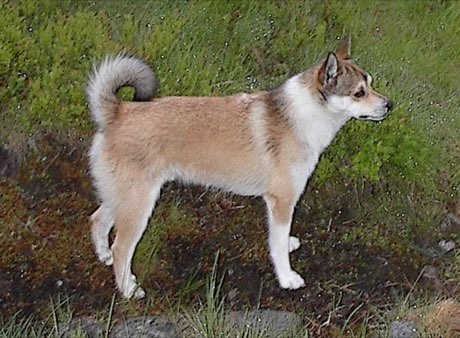 SmallNorwegian Lundehund12–18 lb
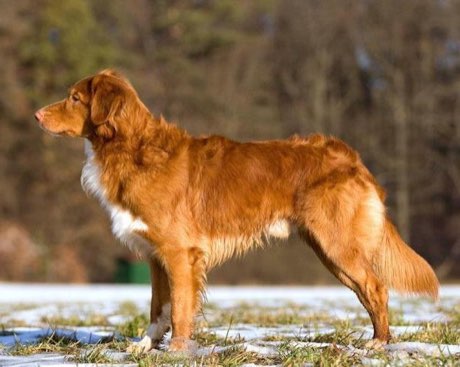 MediumNova Scotia Duck Tolling Retriever35–50 lb
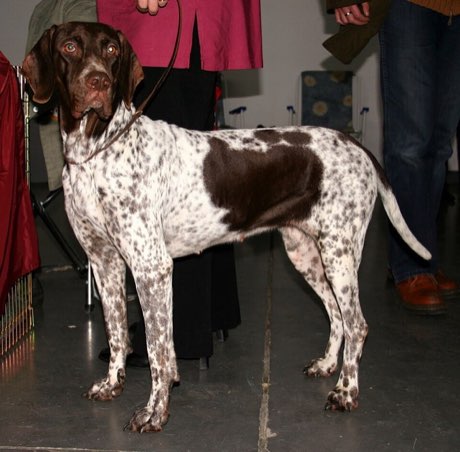 LargeOld Danish Pointer57–77 lb
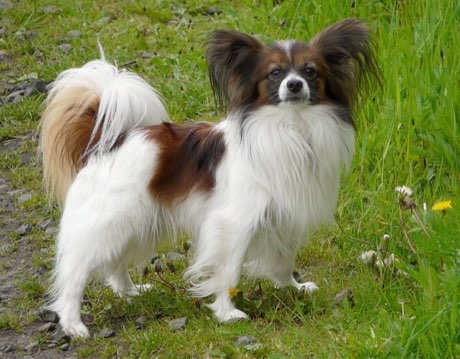 SmallPapillon5–10 lb
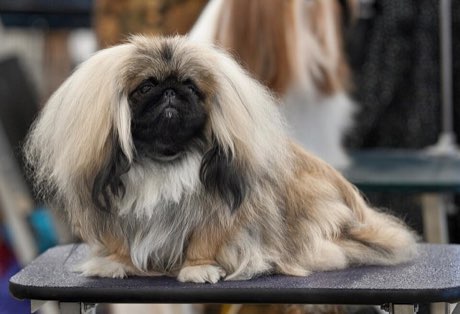 SmallPekingese11–12 lb
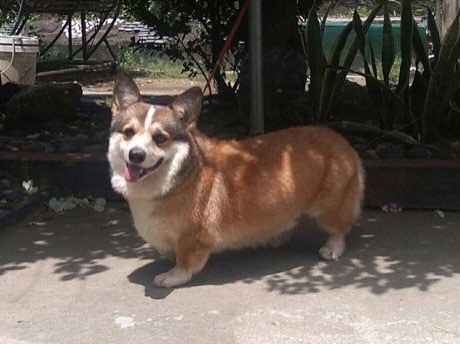 MediumPembroke Welsh Corgi20–26 lb
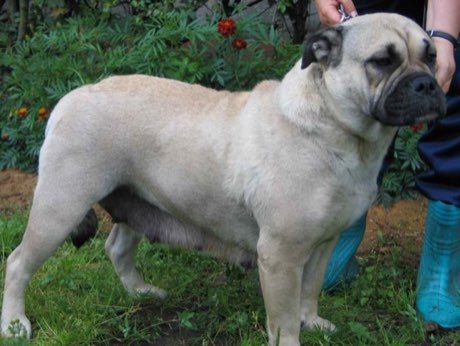 LargePerro de Presa Mallorquin66–84 lb
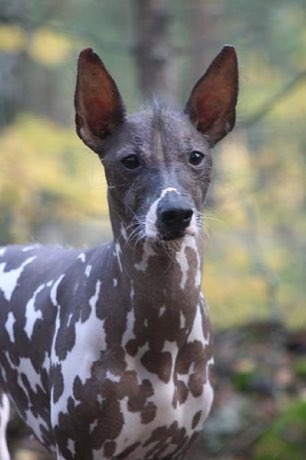 MediumPeruvian Hairless Dog9–66 lb
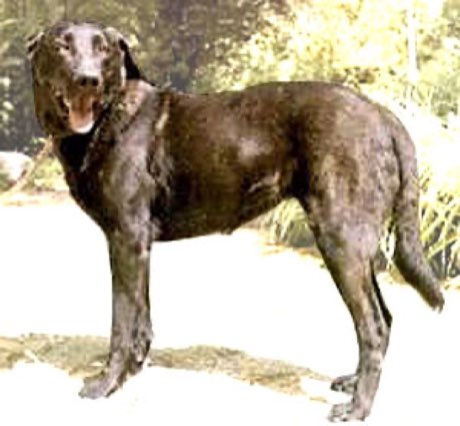 LargePortuguese Cattle Dog55–88 lb
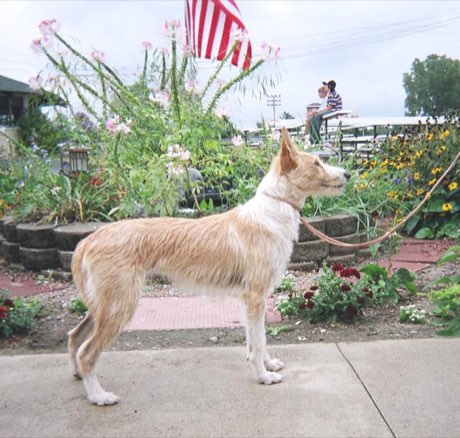 MediumPortuguese Podengo9–66 lb
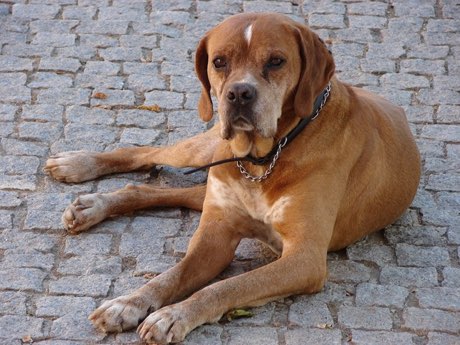 MediumPortuguese Pointer35–59 lb
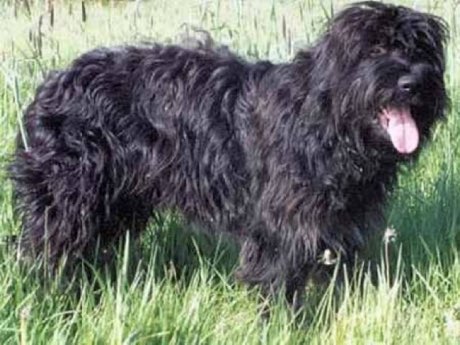 MediumPortuguese Sheepdog37.5–59 lb
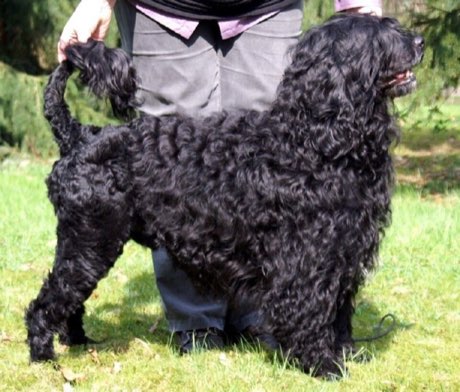 MediumPortuguese water dog35–60 lb
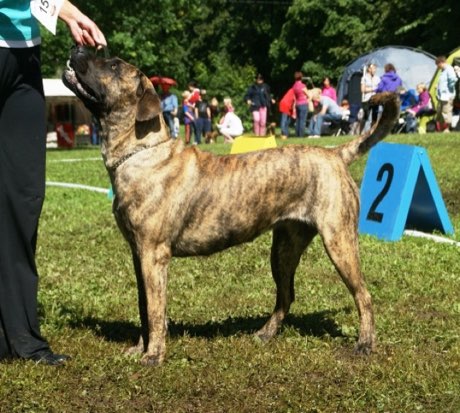 LargePresa Canario84–110 lb
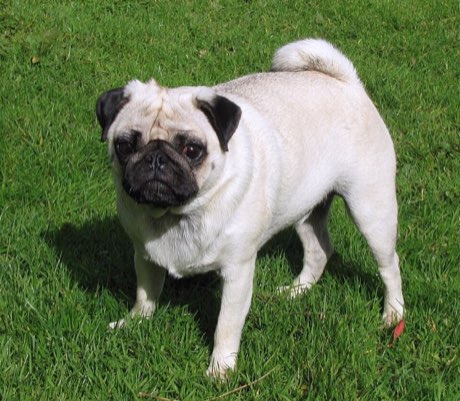 SmallPug14–18 lb
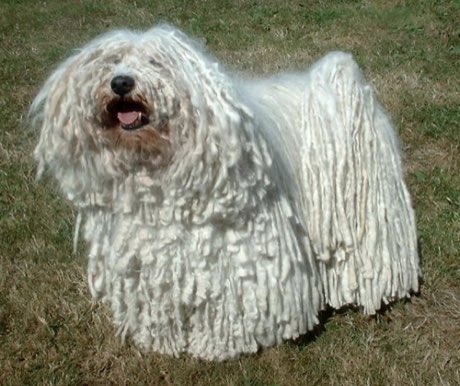 MediumPuli25–35 lb
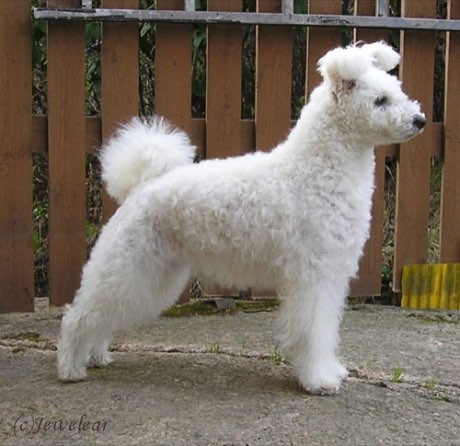 MediumPumi22–29 lb
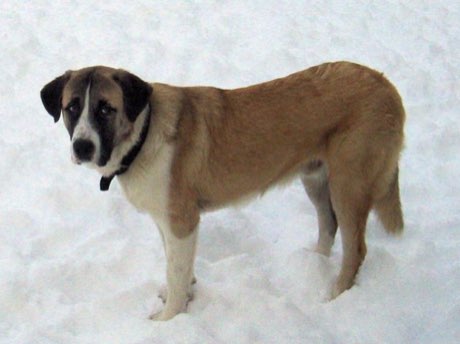 GiantRafeiro do Alentejo77–132 lb
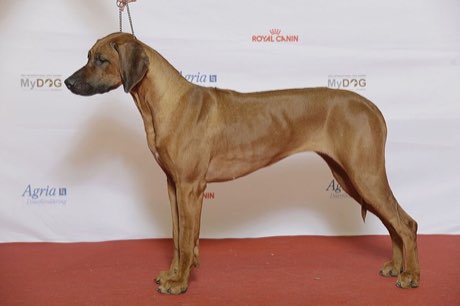 LargeRhodesian Ridgeback70–85 lb
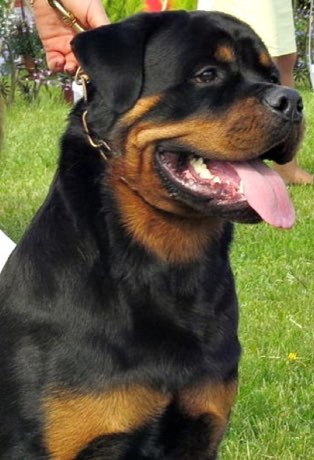 GiantRottweiler80–135 lb
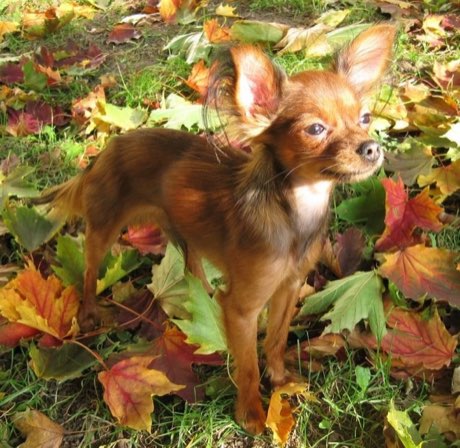 SmallRusskiy Toy5–7 lb
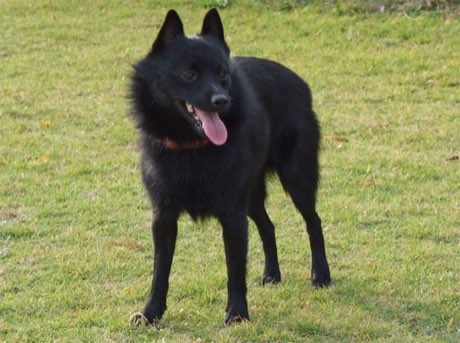 SmallSchipperke10–16 lb
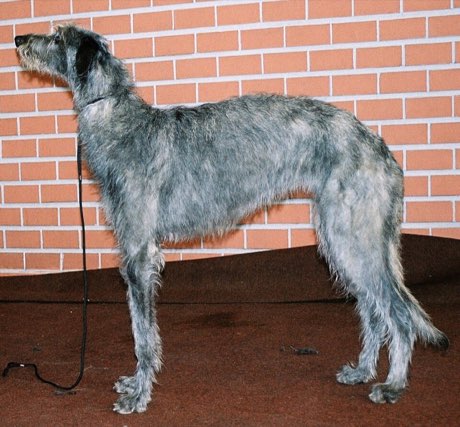 LargeScottish Deerhound75–110 lb
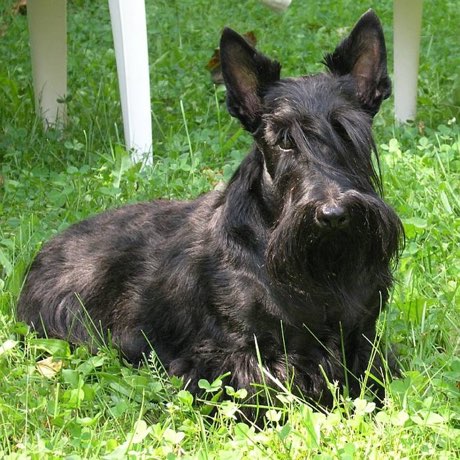 SmallScottish Terrier18–22 lb
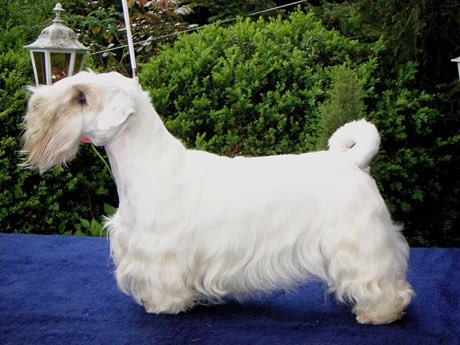 MediumSealyham Terrier23–24 lb
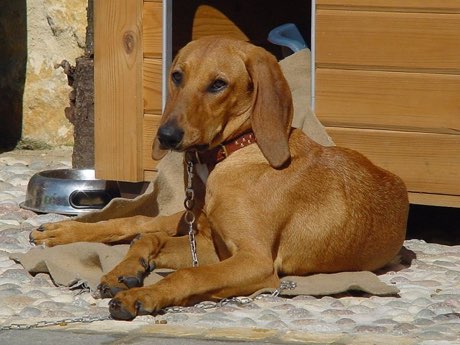 MediumSegugio Italiano a Pelo Raso40–62 lb
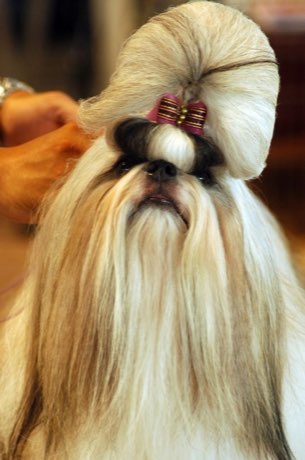 SmallShih Tzu9–16 lb
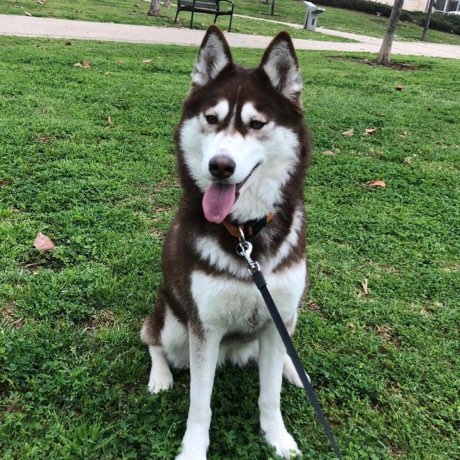 MediumSiberian Husky35–60 lb
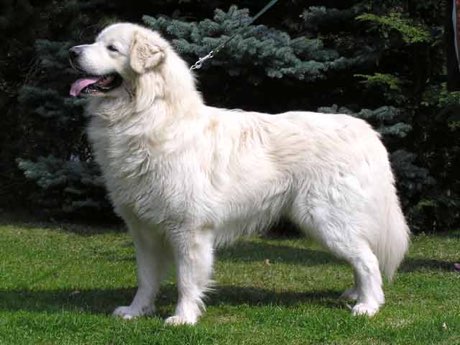 LargeSlovak Cuvac68–97 lb
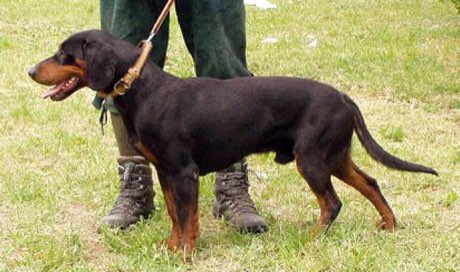 MediumSlovenský kopov33–44 lb
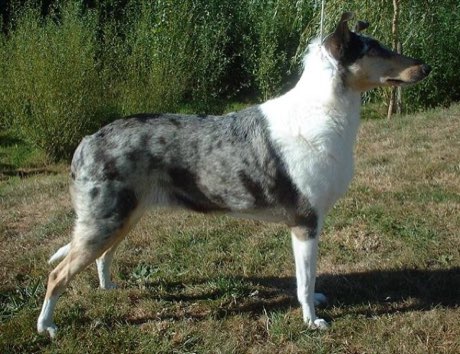 LargeSmooth Collie50–75 lb
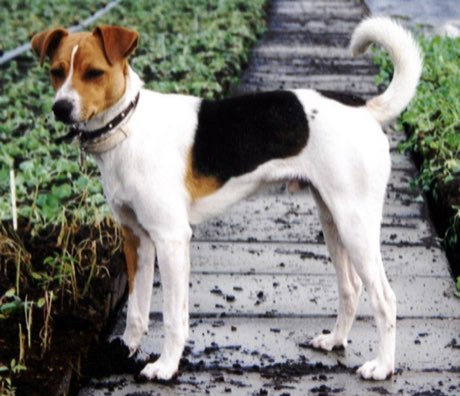 SmallSmooth Fox Terrier15–18 lb
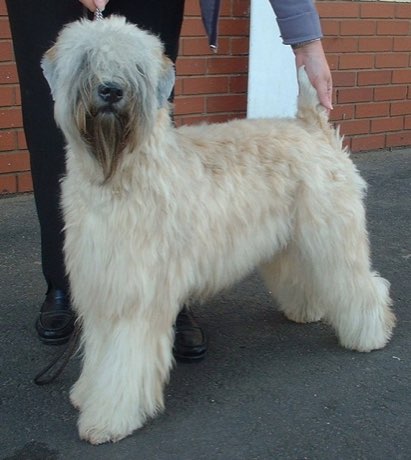 MediumSoft-coated Wheaten Terrier30–40 lb
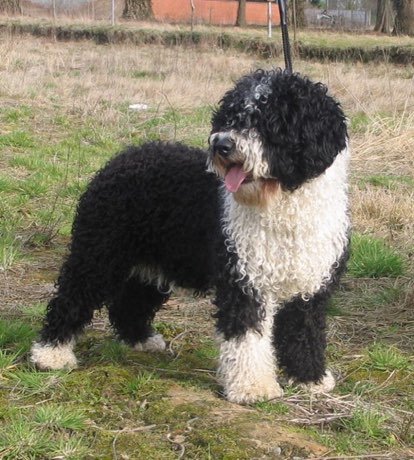 MediumSpanish Water Dog31–49 lb
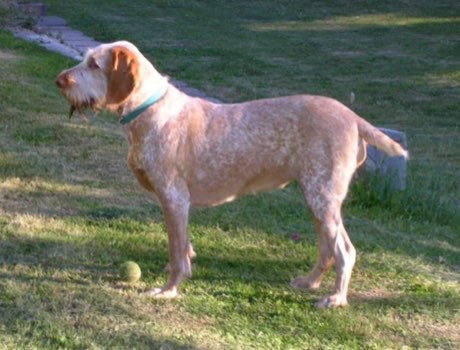 LargeSpinone Italiano62–82 lb
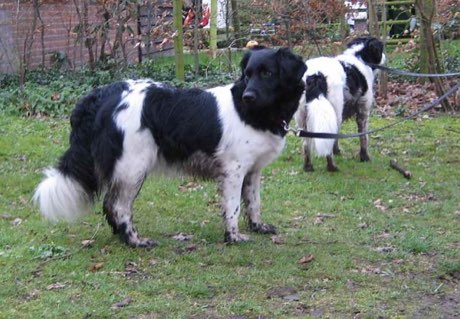 MediumStabijhoun40–60 lb
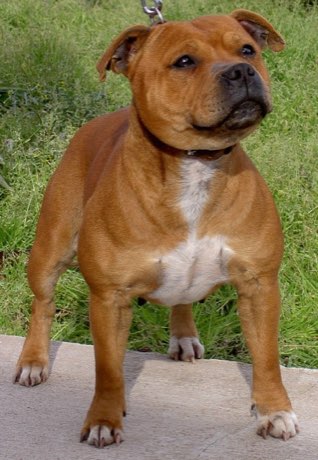 MediumStaffordshire Bull Terrier24–38 lb
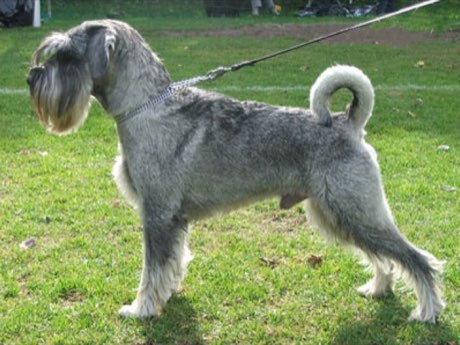 MediumStandard Schnauzer30–50 lb
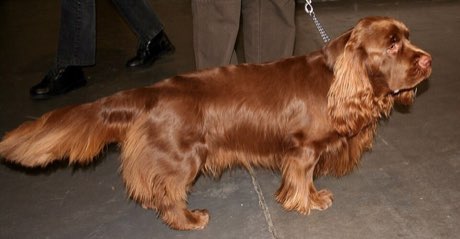 MediumSussex Spaniel35–45 lb
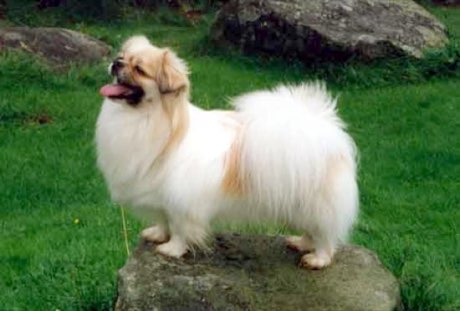 SmallTibetan Spaniel9–15 lb
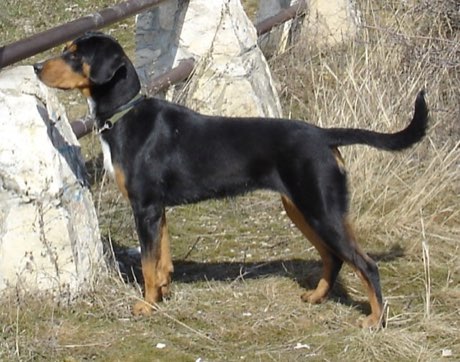 LargeTransylvanian hound55 lb
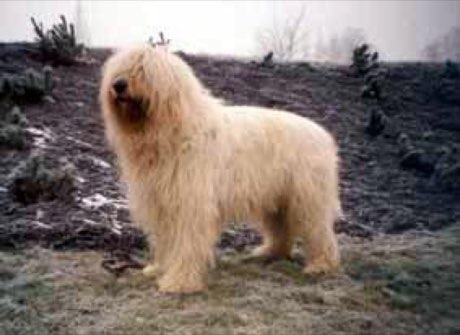 LargeUkrainian Vivcharka66–77 lb
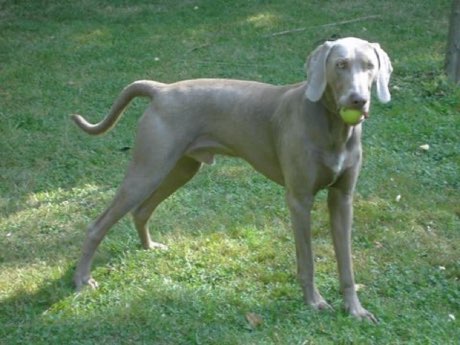 LargeWeimaraner55–90 lb
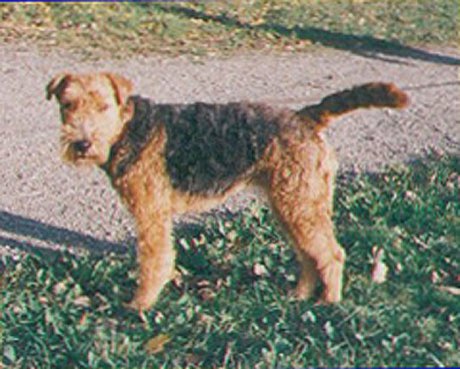 SmallWelsh Terrier20 lb
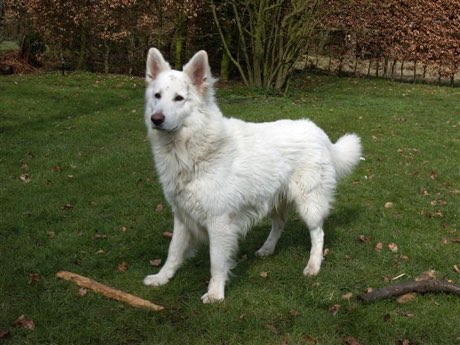 LargeWhite Swiss Shepherd55–88 lb
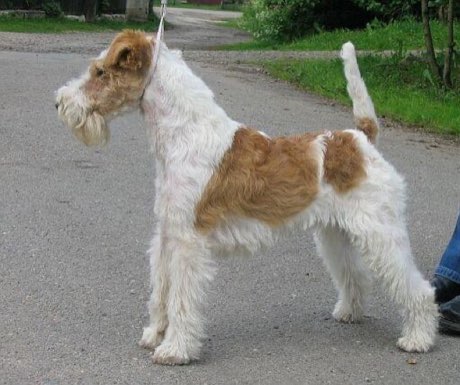 SmallWire Fox Terrier15–18 lb
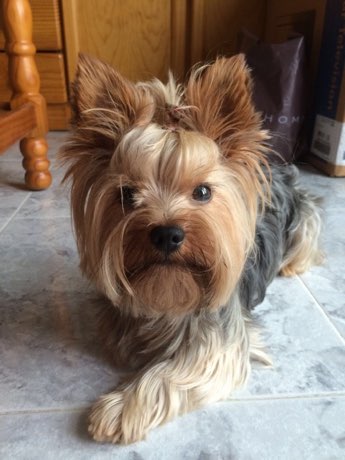 SmallYorkshire Terrier7 lb
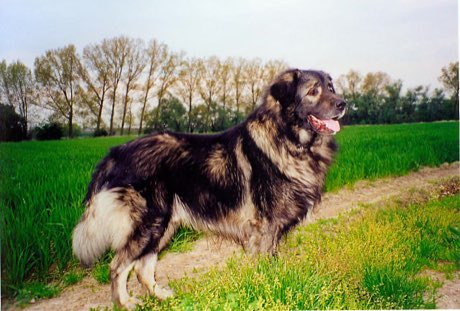 LargeYugoslavian Shepherd Dog66–99 lb
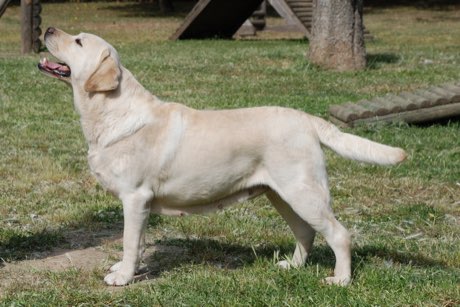 LargeLabrador Retriever55–80 lb
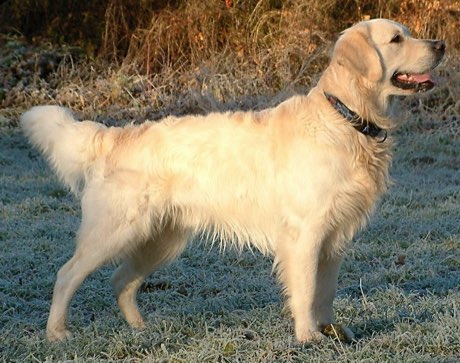 LargeGolden Retriever55–75 lb
- MediumStandard Poodle40–70 lb
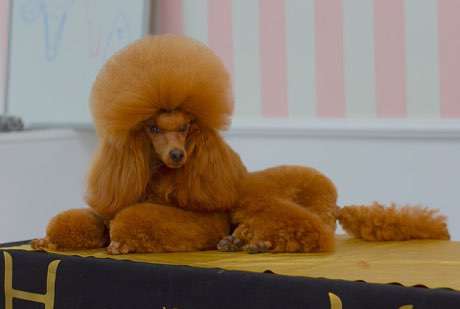 SmallMiniature Poodle10–15 lb
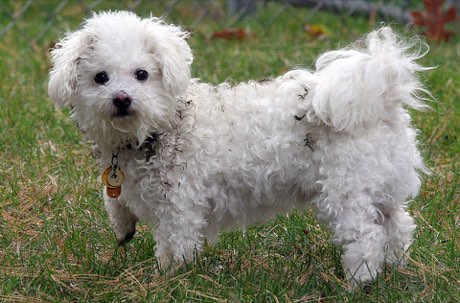 SmallToy Poodle4–6 lb
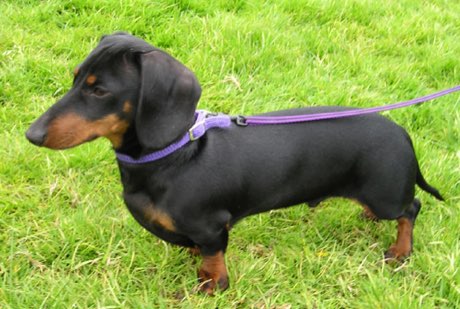 MediumDachshund16–32 lb
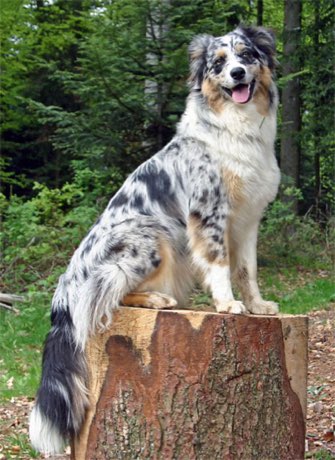 MediumAustralian Shepherd40–65 lb
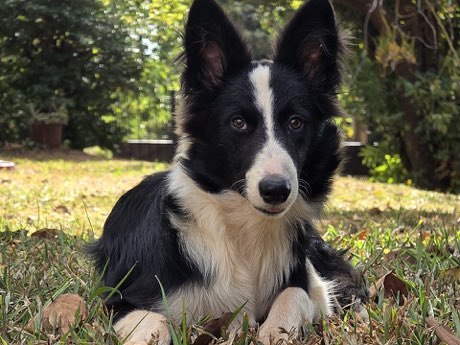 MediumBorder Collie30–55 lb
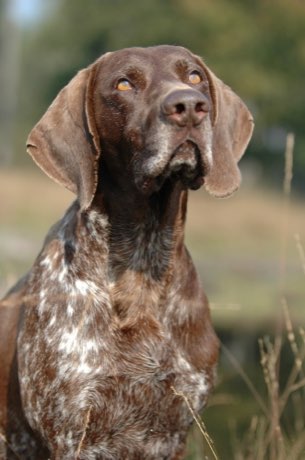 LargeGerman Shorthaired Pointer45–70 lb
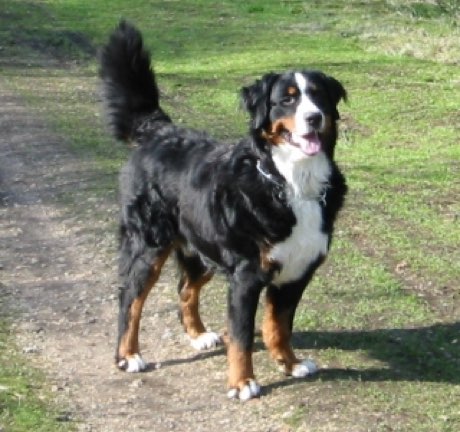 LargeBernese Mountain Dog70–115 lb
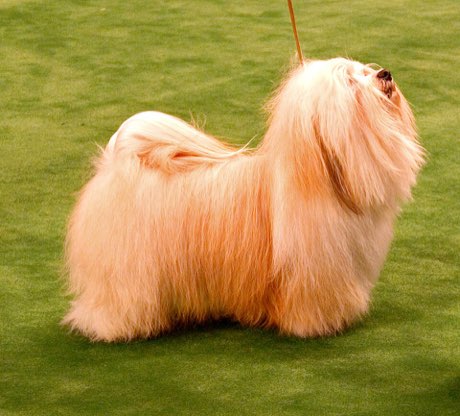 SmallHavanese7–13 lb
- SmallShetland Sheepdog15–25 lb
- SmallPomeranian3–7 lb
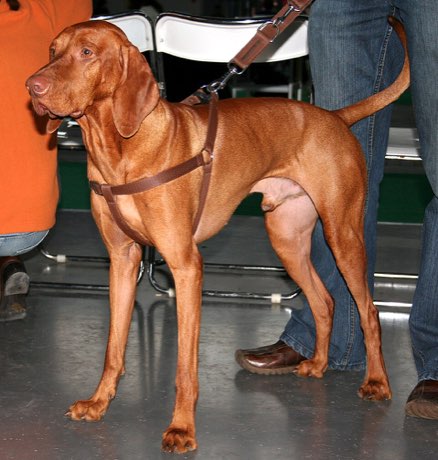 MediumVizsla44–60 lb
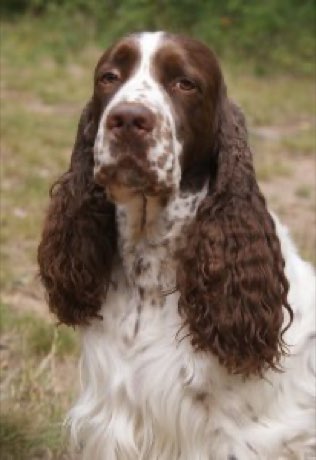 MediumEnglish Springer Spaniel40–50 lb
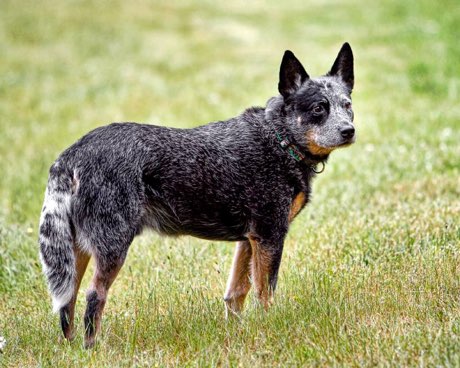 MediumAustralian Cattle Dog35–50 lb
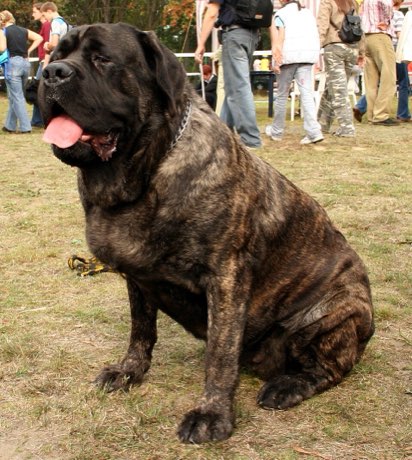 GiantMastiff120–230 lb
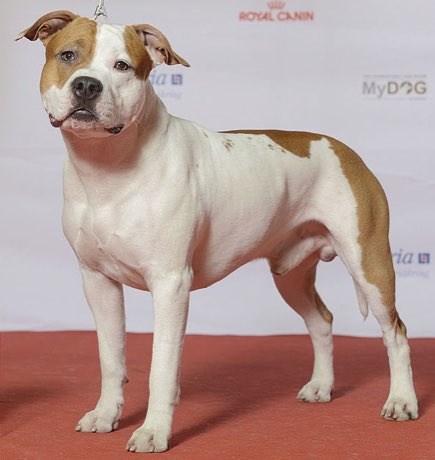 MediumAmerican Staffordshire Terrier40–70 lb
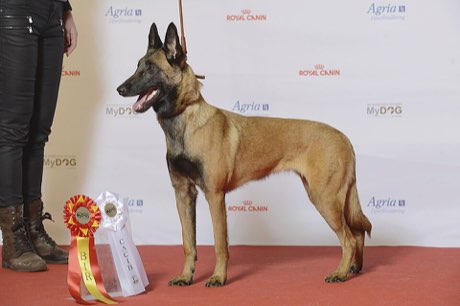 LargeBelgian Malinois40–80 lb
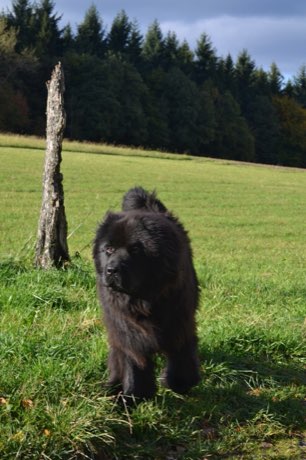 GiantNewfoundland100–150 lb
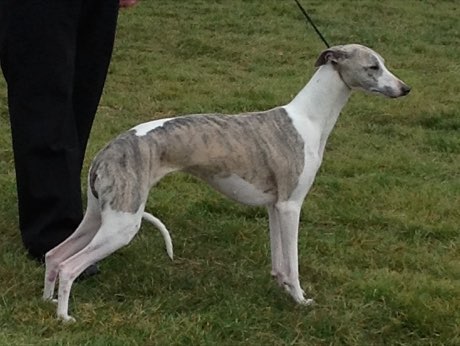 MediumWhippet25–40 lb
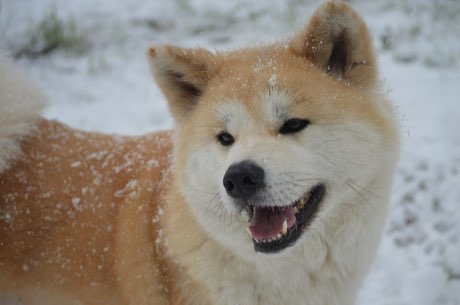 GiantAkita70–130 lb
Where the numbers come from: 121 of these breeds show the weight published in the American Kennel Club’s official breed standard, in pounds as published; the other 60 come from Wikidata under the open CC0 license, converted from kilograms. Each breed page names the source it used, and shows the second one where the two disagree. A weekly check re-reads both and fails if any figure has drifted — we don’t hand-edit these values.
This doubles as a dog weight calculator and a dog size calculator: the adult weight range and its class — small, medium, large or giant — tell you roughly how big a puppy will get once it is full-grown. The chart further down works as a puppy growth calculator and a puppy size calculator, week by week. For a mixed-breed puppy, expect an adult size between its parents’ breeds.
Puppy growth chart: what a German Shepherd weighs week by week
This is the growth curve FEDIAF publishes for a dog whose expected adult weight matches the breed selected above — an average, valid from 8 weeks to one year. FEDIAF notes itself that growth patterns show a certain individual variability, so read a row as the middle of a spread, not a target to hit. Weigh your puppy regularly and watch the direction of travel rather than any single week.
| Age | Weight | % of adult weight |
|---|---|---|
| 8 weeks | 14 lb (6.6 kg) | 21% |
| 10 weeks | 20 lb (9.2 kg) | 29% |
| 12 weeks | 25 lb (11.3 kg) | 36% |
| 14 weeks | 29 lb (13.1 kg) | 41% |
| 16 weeks | 32 lb (14.7 kg) | 46% |
| 18 weeks | 35 lb (16.1 kg) | 51% |
| 20 weeks | 38 lb (17.3 kg) | 55% |
| 24 weeks | 43 lb (19.5 kg) | 61% |
| 28 weeks | 47 lb (21.3 kg) | 67% |
| 32 weeks | 50 lb (22.8 kg) | 72% |
| 36 weeks | 53 lb (24.2 kg) | 76% |
| 40 weeks | 56 lb (25.5 kg) | 80% |
| 44 weeks | 59 lb (26.6 kg) | 84% |
| 48 weeks | 61 lb (27.6 kg) | 87% |
| 52 weeks | 63 lb (28.5 kg) | 90% |
One oddity worth naming rather than hiding: for the smallest breeds the published equation crosses 100% before the end of the year. That is the equation saying a small dog has finished growing well before its first birthday — we show what it publishes rather than trimming the last rows to look tidier. Large breeds do the opposite and are still filling out at one year.
Why this chart is an average and not a centile chart
Because a second body of work publishes centiles, and it publishes them as pictures. Salt et al. (2017) built growth centile charts from the records of more than 6 million young dogs, covering 12 weeks to 2 years of age. Their most useful finding is that growth follows a dog’s size category rather than its breed: 5 categories were enough, and for 20 of the 24 breeds they checked individually, the breed curve and its category curve agreed well. FEDIAF’s table is banded the same way — by adult weight, in 5 bands — which is two independent documents landing on the same idea.
We don’t reprint the Salt centiles, and that is deliberate: that study publishes its curves as charts to plot a puppy on, not as a table of weights, so restating them would mean reading numbers off a printed curve. Two further limits its authors state plainly — their standards stop at an adult weight of 40 kg and begin at 12 weeks. Both papers are listed under Sources below.
Common questions
How big will my puppy get?
The surest guide is the breed. Pick it above to see the adult weight range published for that breed — 181 breeds are covered, 60 from Wikidata’s open (CC0) data and 121 from the American Kennel Club’s official standard, with the source named on each breed’s page. A puppy usually lands inside its breed’s range, not at one end of it.
When do puppies stop growing?
It depends on size: larger breeds keep growing for longer than small ones (Hawthorne et al., 2004). Published growth standards cover 12 weeks to 2 years of age (Salt et al., 2017), so most of the growing happens inside that span.
Is there a puppy growth chart I can plot my puppy on?
Yes — the chart above shows it, week by week, for the breed you pick. It comes from the growth curves FEDIAF publishes (Nutritional Guidelines 2025), which run from 8 weeks to one year and are banded by expected adult weight rather than by breed. Read it as an average: FEDIAF states that growth patterns show individual variability, and it publishes one curve per size band, not centiles. The centile charts you may have seen elsewhere come from Salt et al. (2017), who published them as charts to plot a puppy on rather than as a table of weights — we don't restate those, because reading numbers off a printed curve would mean publishing figures no source states.
What should my puppy weigh at 8 weeks?
It depends almost entirely on how big the breed gets. At 8 weeks, FEDIAF's curves put a small breed at about a third of its adult weight and a giant breed at under a sixth of its own — which is why one number for "a puppy" would be meaningless. Pick your breed above and read the 8-week row of the chart. If your puppy sits off that row, the direction of travel across several weighings matters more than any single week.
Why doesn’t this ask my puppy’s current weight and age?
Because a single weigh-in predicts adult size poorly, while the breed range is measured across many adult dogs. Formulas that multiply a puppy’s weight at a given week exist, but we found no published dataset behind them that we could re-check — so we don’t use one.
What if I don’t know the breed?
For a mixed breed, expect an adult size between the parent breeds; look up each and read the two ranges together. If the parentage is unknown, a vet’s estimate from paw, frame and current growth will beat any calculator.
Adult weight, breed by breed
Every one of the 181 breeds has its own page: adult weight in pounds and kilograms, size class, a week-by-week growth chart, and the document the number came from.
- Abruzzo-Maremma Sheepdog
- Affenpinscher
- Afghan Hound
- Alaskan Malamute
- American foxhound
- American Water Spaniel
- Anatolian Shepherd
- Ariege Pointer
- Artois Hound
- Australian Terrier
- Azawakh
- Azores Cattle Dog
- Barak hound
- Basenji
- Basset Artésien Normand
- Basset hound
- Bavarian Mountain Hound
- Beagle
- Bedlington Terrier
- Belgian Shepherd
- Bergamasco Shepherd
- Bichon Frisé
- Black Russian Terrier
- Bloodhound
- Bolognese
- Border Terrier
- Borzoi
- Boston Terrier
- Bouvier des Ardennes
- Bouvier des Flandres
- Boxer
- Bracco Italiano
- Brazilian Terrier
- Broholmer
- Bulldog
- Bullmastiff
- Cairn Terrier
- Canaan Dog
- Cane Corso
- Caucasian Shepherd Dog
- Cavalier King Charles Spaniel
- Central Asian Shepherd Dog
- Cesky Fousek
- Cesky Terrier
- Chesapeake Bay Retriever
- Chihuahua
- Chinese Chongqing Dog
- Chippiparai
- Cimarrón Uruguayo
- Cirneco dell'Etna
- Clumber Spaniel
- Collie
- Continental bulldog
- Coton de Tulear
- Czechoslovakian Wolfdog
- Dandie Dinmont Terrier
- Dobermann
- Dogo Argentino
- Dogue de Bordeaux
- Drentse Patrijshond
- Dutch Smoushond
- English Cocker Spaniel
- English Mastiff
- English Toy Terrier
- Estrela Mountain Dog
- Eurasier
- Field Spaniel
- Fila Brasileiro
- Flat-Coated Retriever
- Formosan Mountain Dog
- French Bulldog
- Frenchton
- German Longhaired Pointer
- German Pinscher
- German Shepherd
- German Spaniel
- Giant Schnauzer
- Glen of Imaal Terrier
- Gordon Setter
- Great Dane
- Greek Harehound
- Greyhound
- Griffon Bruxellois
- Hanover Hound
- Irish Terrier
- Irish wolfhound
- Italian Greyhound
- Italian Rough-haired Segugio
- Jack Russell Terrier
- Karelian Bear Dog
- Karst Shepherd
- Kerry Blue Terrier
- King Charles Spaniel
- Komondor
- Korean Jindo Dog
- Kromfohrländer
- Kuvasz
- Lagotto Romagnolo
- Lakeland Terrier
- Large Münsterländer
- Large Vendeen Griffon Basset
- Löwchen
- Majorca Shepherd Dog
- Maltese
- Miniature Pinscher
- Miniature Schnauzer
- Mudhol Hound
- Mudi
- Neapolitan Mastiff
- Newfoundland dog
- Norwegian Buhund
- Norwegian Lundehund
- Nova Scotia Duck Tolling Retriever
- Old Danish Pointer
- Papillon
- Pekingese
- Pembroke Welsh Corgi
- Perro de Presa Mallorquin
- Peruvian Hairless Dog
- Portuguese Cattle Dog
- Portuguese Podengo
- Portuguese Pointer
- Portuguese Sheepdog
- Portuguese water dog
- Presa Canario
- Pug
- Puli
- Pumi
- Rafeiro do Alentejo
- Rhodesian Ridgeback
- Rottweiler
- Russkiy Toy
- Schipperke
- Scottish Deerhound
- Scottish Terrier
- Sealyham Terrier
- Segugio Italiano a Pelo Raso
- Shih Tzu
- Siberian Husky
- Slovak Cuvac
- Slovenský kopov
- Smooth Collie
- Smooth Fox Terrier
- Soft-coated Wheaten Terrier
- Spanish Water Dog
- Spinone Italiano
- Stabijhoun
- Staffordshire Bull Terrier
- Standard Schnauzer
- Sussex Spaniel
- Tibetan Spaniel
- Transylvanian hound
- Ukrainian Vivcharka
- Weimaraner
- Welsh Terrier
- White Swiss Shepherd
- Wire Fox Terrier
- Yorkshire Terrier
- Yugoslavian Shepherd Dog
- Labrador Retriever
- Golden Retriever
- Standard Poodle
- Miniature Poodle
- Toy Poodle
- Dachshund
- Australian Shepherd
- Border Collie
- German Shorthaired Pointer
- Bernese Mountain Dog
- Havanese
- Shetland Sheepdog
- Pomeranian
- Vizsla
- English Springer Spaniel
- Australian Cattle Dog
- Mastiff
- American Staffordshire Terrier
- Belgian Malinois
- Newfoundland
- Whippet
- Akita
Adult weight varies within every breed by sex, genetics and health, and mixed-breed dogs fall between their parents. Use this as a range, not a promise.
Verified on . Based on Wikidata — dog breed mass (property P2067) (Wikimedia Foundation, query run 2026-07-22, CC0 license), Wikidata — cat breed mass (property P2067) (Wikimedia Foundation, query run 2026-07-28, CC0 license), Body-Weight Changes during Growth in Puppies of Different Breeds (Hawthorne et al., Journal of Nutrition, 2004, vol. 134, p. 2027S), Growth standard charts for monitoring bodyweight in dogs of different sizes (Salt et al., PLoS ONE, 2017, vol. 12, no. 9, e0182064 (correction 2024: data availability only)) and Nutritional Guidelines for Complete and Complementary Pet Food for Cats and Dogs (FEDIAF (European Pet Food Industry Federation), 2025 edition (growth curves Table VII-8a, growth energy VII-8b and VII-10)). See the method.